.svg)
.svg)

.svg)


ترجمه مقاله تاثیر سرمایه گذاری در دارایی های نامشهود بر عملکرد شرکت ها در هند - نشریه امرالد

عنوان فارسی
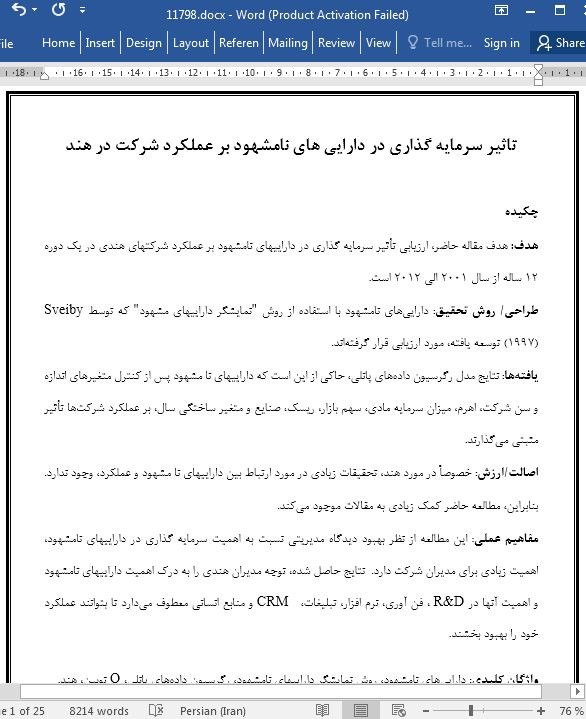
تاثیر سرمایه گذاری در دارایی های نامشهود بر عملکرد شرکت ها در هند
عنوان انگلیسی
Impact of Investment in Intangible Assets on Corporate Performance in India
صفحات مقاله فارسی
25
صفحات مقاله انگلیسی
28
سال انتشار
2018
رفرنس
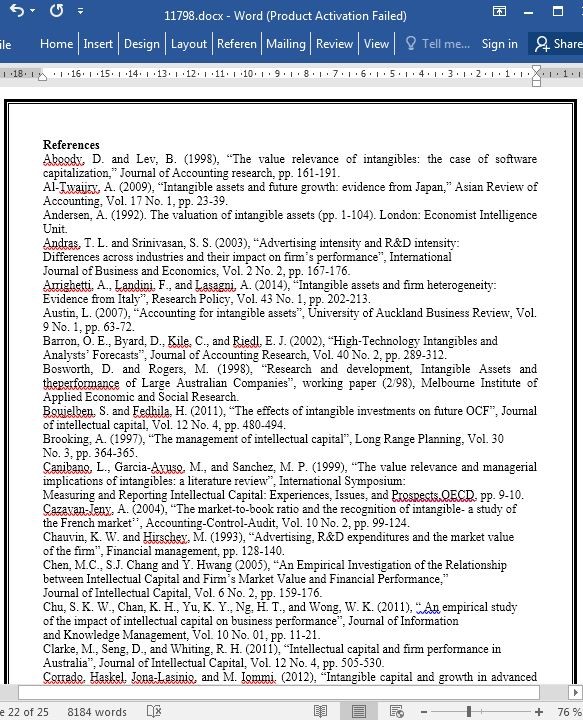
دارای رفرنس در داخل متن و انتهای مقاله
نشریه
امرالد - Emerald
فرمت مقاله انگلیسی
pdf و ورد تایپ شده با قابلیت ویرایش
فرمت ترجمه مقاله
pdf و ورد تایپ شده با قابلیت ویرایش
فونت ترجمه مقاله
بی نازنین
سایز ترجمه مقاله
14
نوع مقاله
ISI
نوع ارائه مقاله
ژورنال
پایگاه
اسکوپوس
ایمپکت فاکتور(IF) مجله
1.218 در سال 2020
شاخص H_index مجله
15 در سال 2021
شاخص SJR مجله
0.260 در سال 2020
شناسه ISSN مجله
1754-243X
شاخص Q یا Quartile (چارک)
Q3 در سال 2020
کد محصول
11798
وضعیت ترجمه عناوین تصاویر و جداول
ترجمه شده است ✓
وضعیت ترجمه متون داخل تصاویر و جداول
ترجمه شده است ✓
وضعیت ترجمه منابع داخل متن
به انگلیسی درج شده است ✓
وضعیت فرمولها و محاسبات در فایل ترجمه
به صورت عکس، درج شده است ✓
ضمیمه
ندارد ☓
بیس
است ✓
مدل مفهومی
دارد ✓
پرسشنامه
ندارد ☓
متغیر
دارد ✓
فرضیه
ندارد ☓
رفرنس در ترجمه
در داخل متن و انتهای مقاله درج شده است
رشته و گرایش های مرتبط با این مقاله
حسابداری و مدیریت و مدیریت کسب و کار، مدیریت مالی، حسابداری مالی
دانشگاه
دانشکده دانشگاه خدمات مالی، دانشگاه Guru Nanak Dev، آمریتسار، هند
کلمات کلیدی
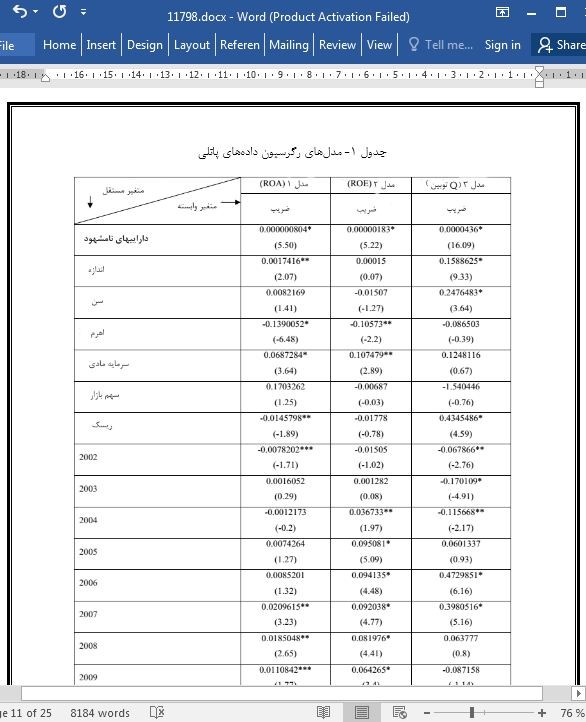
داراییهای نامشهود، روش نمایشگر داراییهای نامشهود، رگرسیون دادههای پانلی، Q توبین، هند
کلمات کلیدی انگلیسی
Intangible Assets - Intangible Asset Monitor Method - Panel Data Regression - Tobin’s Q - India
doi یا شناسه دیجیتال
https://doi.org/10.1108/IJLMA-05-2017-0127
۰.۰
(هنوز امتیازی ثبت نشده است)