.svg)
.svg)

.svg)


ترجمه مقاله ترکیب تست مبتنی بر استفاده و مبتنی بر مدل برای معماری های سرویس محور - نشریه اشپرینگر

عنوان فارسی
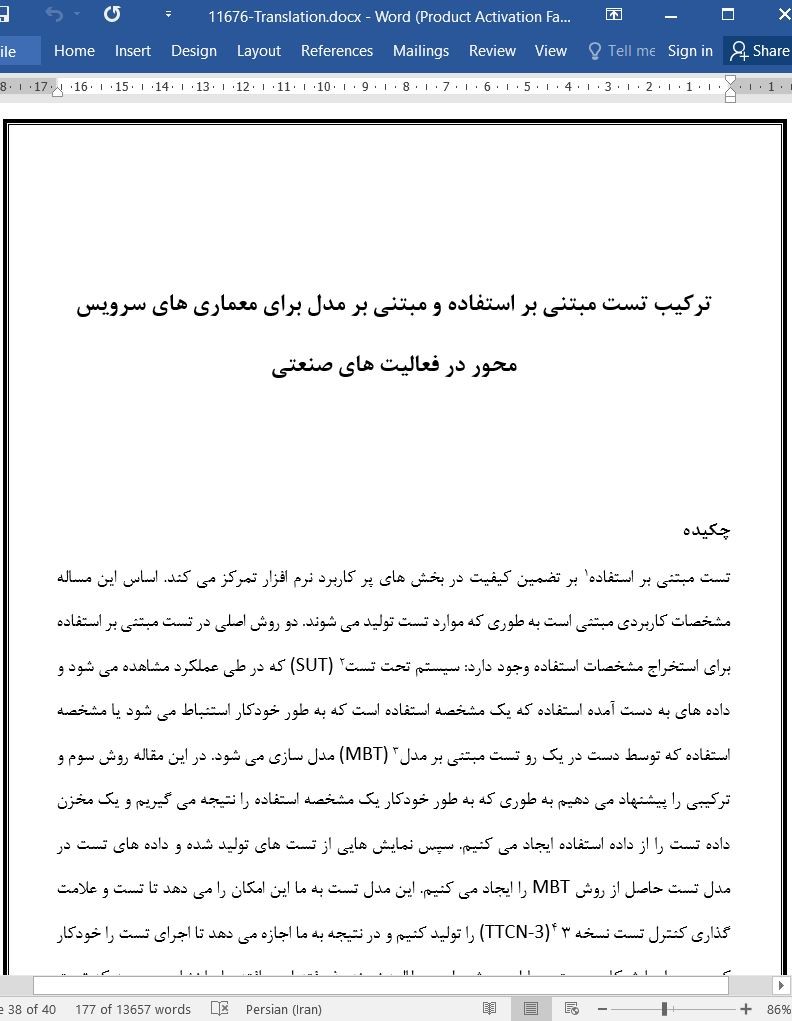
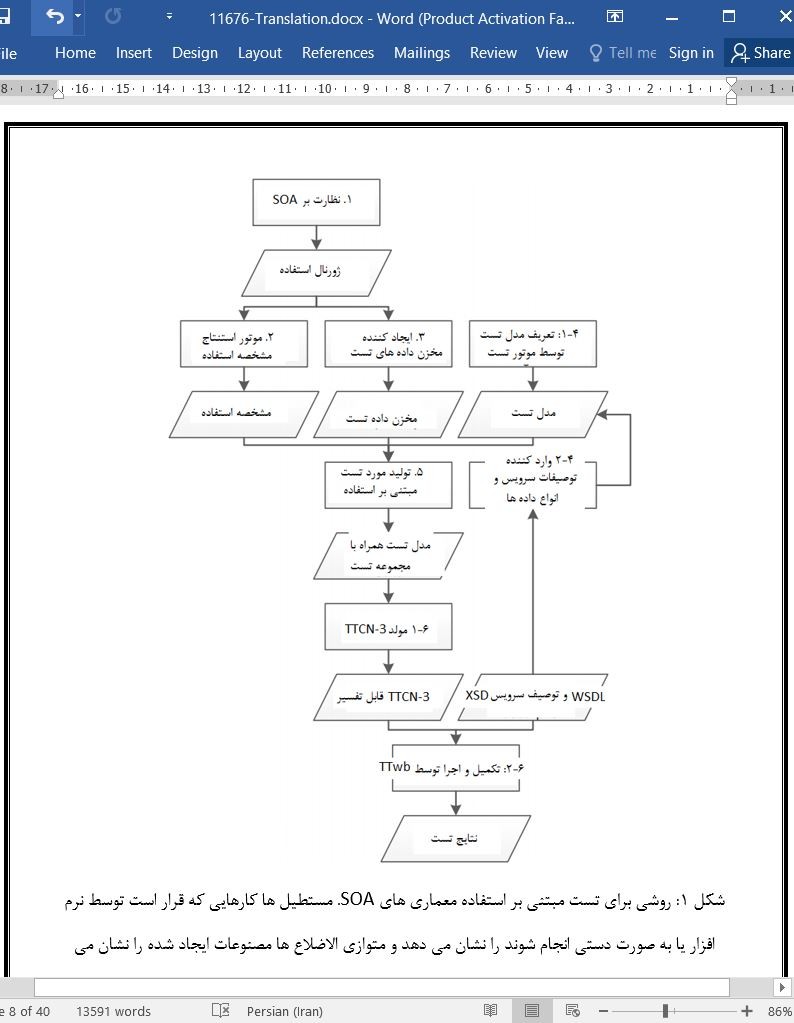
ترکیب تست مبتنی بر استفاده و مبتنی بر مدل برای معماری های سرویس محور در فعالیت های صنعتی
عنوان انگلیسی
Combining usage-based and model-based testing for service-oriented architectures in the industrial practice
صفحات مقاله فارسی
40
صفحات مقاله انگلیسی
16
سال انتشار
2017
رفرنس
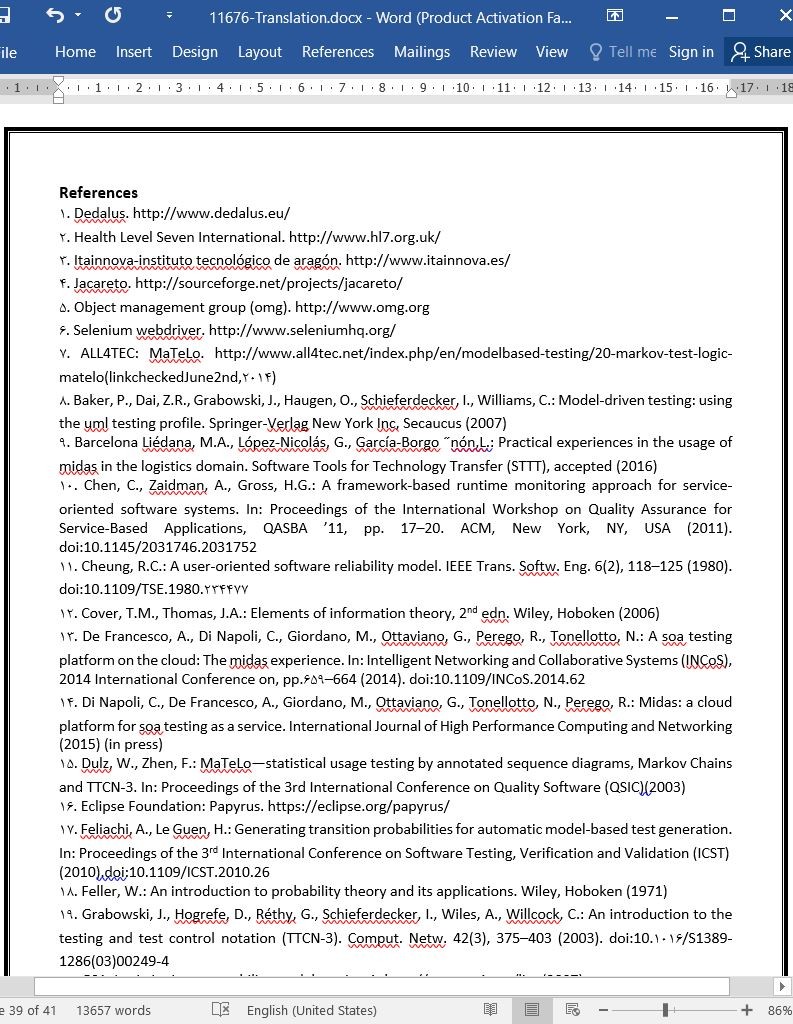
دارای رفرنس در داخل متن و انتهای مقاله
نشریه
اشپرینگر - Springer
فرمت مقاله انگلیسی
pdf و ورد تایپ شده با قابلیت ویرایش
فرمت ترجمه مقاله
pdf و ورد تایپ شده با قابلیت ویرایش
فونت ترجمه مقاله
بی نازنین
سایز ترجمه مقاله
14
نوع مقاله
ISI
نوع ارائه مقاله
ژورنال
پایگاه
اسکوپوس
ایمپکت فاکتور(IF) مجله
2.413 در سال 2020
شاخص H_index مجله
55 در سال 2021
شاخص SJR مجله
0.397 در سال 2020
شناسه ISSN مجله
1433-2779
شاخص Q یا Quartile (چارک)
Q2 در سال 2020
کد محصول
11676
وضعیت ترجمه عناوین تصاویر
ترجمه شده است ✓
وضعیت ترجمه متون داخل تصاویر
ترجمه شده است ✓
وضعیت ترجمه منابع داخل متن
به صورت عدد درج شده است ✓
وضعیت فرمولها و محاسبات در فایل ترجمه
ندارد ☓
ضمیمه
ندارد ☓
بیس
نیست ☓
مدل مفهومی
ندارد ☓
پرسشنامه
ندارد ☓
متغیر
ندارد ☓
فرضیه
ندارد ☓
رفرنس در ترجمه
در انتهای مقاله درج شده است
رشته های مرتبط با این مقاله
مهندسی کامپیوتر
گرایش های مرتبط با این مقاله
معماری سیستم های کامپیوتری، مهندسی نرم افزار
دانشگاه
موسسه علوم کامپیوتر، دانشگاه جورج آگوست، گوتینگن، آلمان
کلمات کلیدی
تست مبتنی بر استفاده، تست مبتنی بر مدل، نظارت بر استفاده، تست وب سرویس، TTCN-3
کلمات کلیدی انگلیسی
Usage-based testing - Model-based testing - Usage monitoring - Web service testing - TTCN-3
doi یا شناسه دیجیتال
https://doi.org/10.1007/s10009-016-0437-y
۰.۰
(هنوز امتیازی ثبت نشده است)