.svg)
.svg)

.svg)


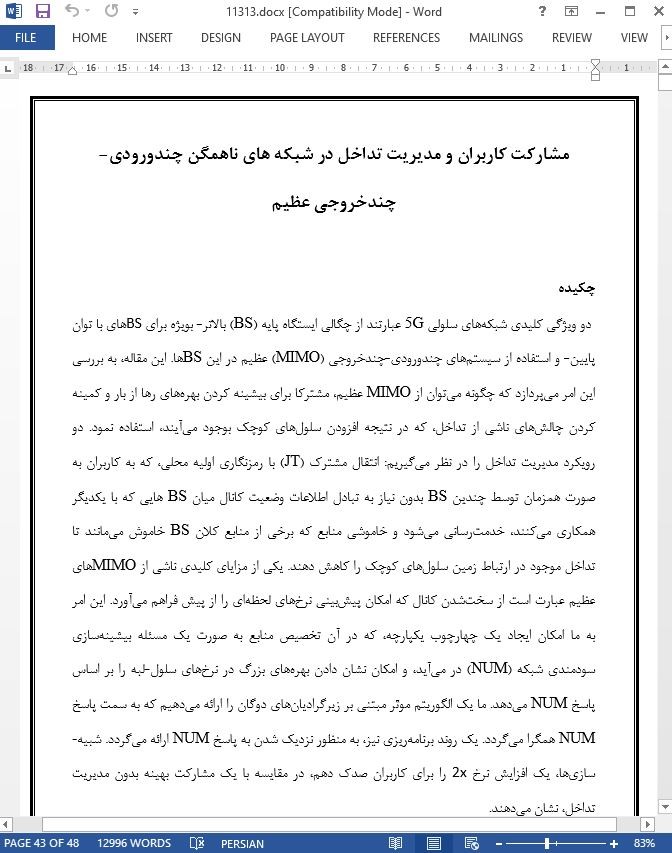
ترجمه مقاله مشارکت کاربران و مدیریت تداخل در شبکه های ناهمگن چندورودی-چندخروجی عظیم - نشریه IEEE

عنوان فارسی
مشارکت کاربران و مدیریت تداخل در شبکه های ناهمگن چندورودی-چندخروجی عظیم
عنوان انگلیسی
User Association and Interference Management in Massive MIMO HetNets
صفحات مقاله فارسی
48
صفحات مقاله انگلیسی
17
سال انتشار
2016
نشریه
آی تریپل ای - IEEE
فرمت مقاله انگلیسی
PDF
فرمت ترجمه مقاله
pdf و ورد تایپ شده با قابلیت ویرایش
فونت ترجمه مقاله
بی نازنین
سایز ترجمه مقاله
14
نوع مقاله
ISI
نوع ارائه مقاله
ژورنال
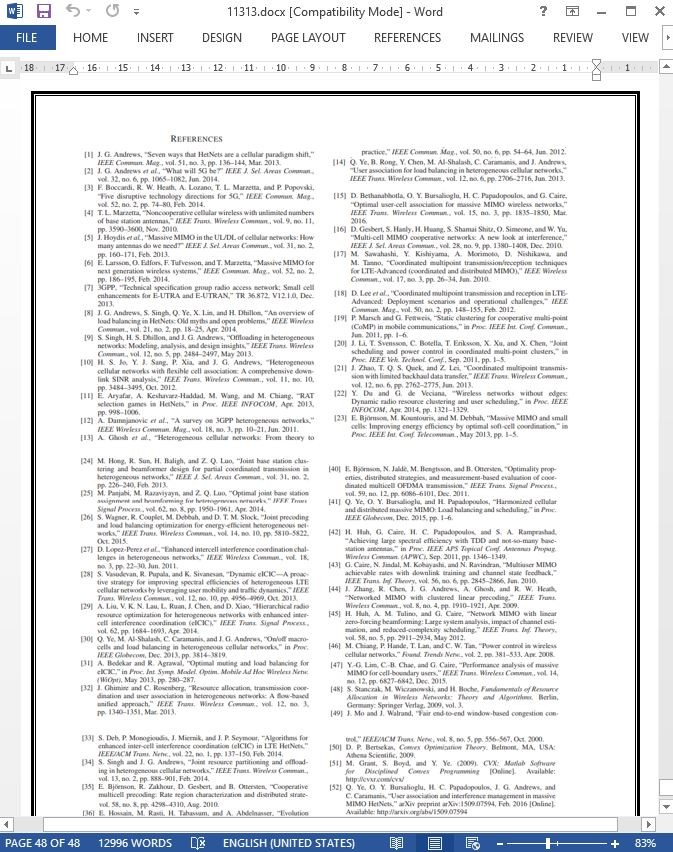
رفرنس
دارای رفرنس در داخل متن و انتهای مقاله
ایمپکت فاکتور(IF) مجله
6.760 در سال 2020
پایگاه
اسکوپوس
شاخص H_index مجله
197 در سال 2021
شاخص Q یا Quartile (چارک)
Q1 در سال 2020
شاخص SJR مجله
2.126 در سال 2020
شناسه ISSN مجله
0090-6778
کد محصول
11313
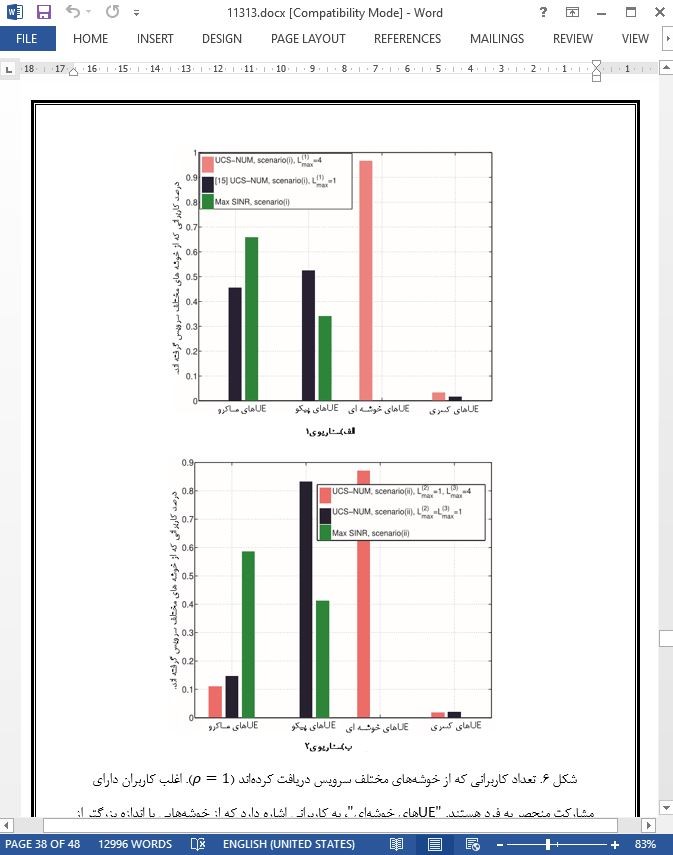
وضعیت ترجمه عناوین تصاویر و جداول
ترجمه شده است ✓
وضعیت ترجمه متون داخل تصاویر و جداول
ترجمه شده است ✓
وضعیت ترجمه منابع داخل متن
به صورت عدد درج شده است ✓
وضعیت فرمولها و محاسبات در فایل ترجمه
به صورت عکس، درج شده است ✓
ضمیمه
دارد و ترجمه شده است ✓
بیس
نیست ☓
مدل مفهومی
ندارد ☓
پرسشنامه
ندارد ☓
متغیر
ندارد ☓
رفرنس در ترجمه
در انتهای مقاله درج شده است
doi یا شناسه دیجیتال
https://doi.org/10.1109/TCOMM.2016.2547956
دانشگاه
دانشگاه تگزاس، آستین، ایالات متحده آمریکا
رشته و گرایش های مرتبط با این مقاله
مهندسی فناوری اطلاعات، فناوری اطلاعات و ارتباطات، شبکه های کامپیوتری، دیتا و امنیت شبکه، مخابرات سیار
کلمات کلیدی
مدیریت تداخل، انتقال مشترک، شبکه های ناهمگن چندورودی چندخروجی عظیم، تخصیص منابع، خاموشی منابع، مشارکت کاربر
کلمات کلیدی انگلیسی
Interference management - joint transmission - massive MIMO HetNets - resource allocation - resource blanking - user association
۰.۰
(هنوز امتیازی ثبت نشده است)