.svg)
.svg)

.svg)


ترجمه مقاله پیامدهای عاطفی و انگیزشی از خود گذشتگی رهبر: اثر تعدیلی رهبری استبدادی - نشریه الزویر

عنوان فارسی
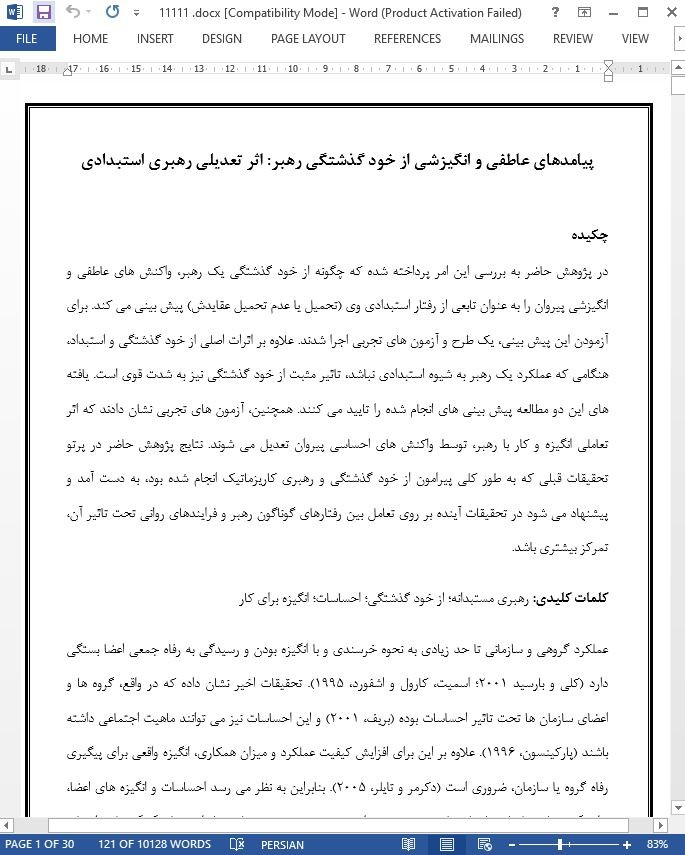
پیامدهای عاطفی و انگیزشی از خود گذشتگی رهبر: اثر تعدیلی رهبری استبدادی
عنوان انگلیسی
Affective and motivational consequences of leader self-sacrifice: The moderating effect of autocratic leadership
صفحات مقاله فارسی
30
صفحات مقاله انگلیسی
15
سال انتشار
2006
رفرنس
دارای رفرنس در داخل متن و انتهای مقاله
نشریه
الزویر - Elsevier
فرمت مقاله انگلیسی
pdf و ورد تایپ شده با قابلیت ویرایش
فرمت ترجمه مقاله
pdf و ورد تایپ شده با قابلیت ویرایش
فونت ترجمه مقاله
بی نازنین
سایز ترجمه مقاله
14
نوع مقاله
ISI
نوع نگارش
مقالات پژوهشی (تحقیقاتی)
نوع ارائه مقاله
ژورنال
پایگاه
اسکوپوس
ایمپکت فاکتور(IF) مجله
9.488 در سال 2019
شاخص H_index مجله
144 در سال 2020
شاخص SJR مجله
4.694 در سال 2019
شناسه ISSN مجله
1048-9843
شاخص Q یا Quartile (چارک)
Q1 در سال 2019
کد محصول
11111
وضعیت ترجمه عناوین تصاویر و جداول
ترجمه شده است ✓
وضعیت ترجمه متون داخل تصاویر و جداول
ترجمه شده است ✓
وضعیت ترجمه منابع داخل متن
ترجمه شده است ✓
ضمیمه
ندارد ☓
بیس
است ✓
مدل مفهومی
ندارد ☓
پرسشنامه
ندارد ☓
متغیر
دارد ✓
رفرنس در ترجمه
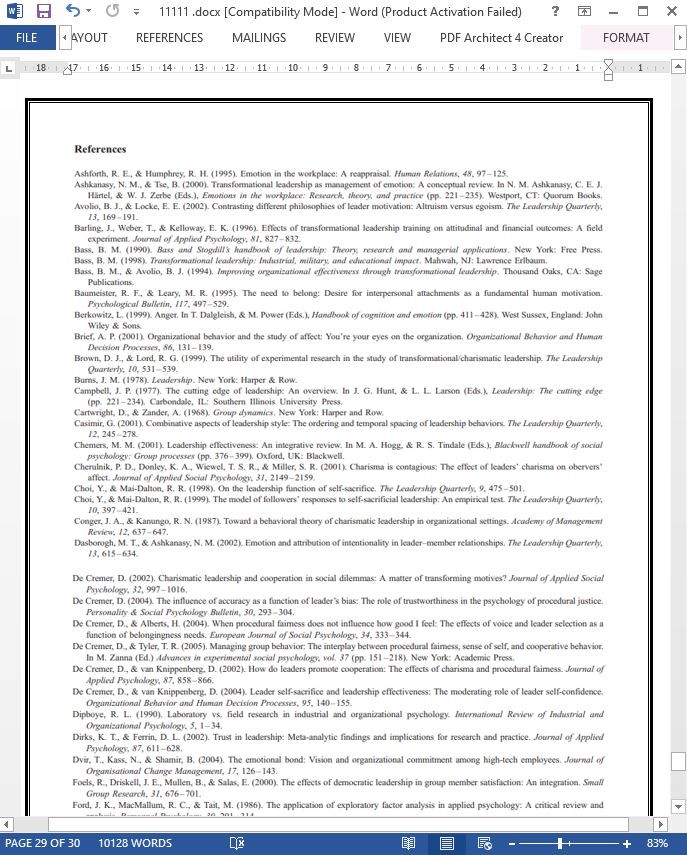
در انتهای مقاله درج شده است
رشته و گرایش های مرتبط با این مقاله
مدیریت، مدیریت اجرایی، مدیریت منابع انسانی، مدیریت عملکرد
مجله
فصلنامه رهبری - The Leadership Quarterly
دانشگاه
گروه روانشناسی اقتصادی و اجتماعی، دانشگاه تیلبورگ، هلند
کلمات کلیدی
رهبری مستبدانه، از خود گذشتگی، احساسات، انگیزه برای کار
کلمات کلیدی انگلیسی
Autocratic leadership - Self-sacrifice - Emotions - Motivation to work
doi یا شناسه دیجیتال
https://doi.org/10.1016/j.leaqua.2005.10.005
۰.۰
(هنوز امتیازی ثبت نشده است)