.svg)
.svg)

.svg)


ترجمه مقاله اجرای موفق برنامه ریزی یکپارچه منابع سازمـانی - نشریه امرالد

عنوان فارسی
اجرای موفق برنامه ریزی یکپارچه منابع سازمـانی (ERP): یک مدل یکپارچه
عنوان انگلیسی
Successful ERP implementation: an integrative model
صفحات مقاله فارسی
40
صفحات مقاله انگلیسی
35
سال انتشار
2013
رفرنس
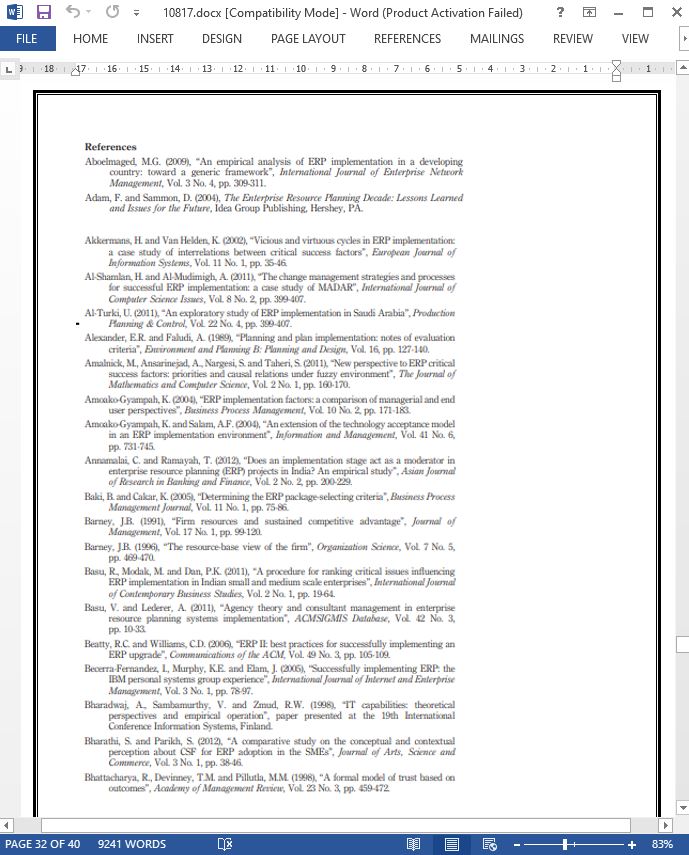
دارای رفرنس در داخل متن و انتهای مقاله
نشریه
امرالد - Emerald
فرمت مقاله انگلیسی
pdf و ورد تایپ شده با قابلیت ویرایش
فرمت ترجمه مقاله
pdf و ورد تایپ شده با قابلیت ویرایش
فونت ترجمه مقاله
بی نازنین
سایز ترجمه مقاله
14
نوع مقاله
ISI
نوع نگارش
مقاله مفهومی (Conceptual Paper)
نوع ارائه مقاله
ژورنال
پایگاه
اسکوپوس
ایمپکت فاکتور(IF) مجله
3.758 در سال 2019
شاخص H_index مجله
76 در سال 2020
شاخص SJR مجله
0.733 در سال 2019
شناسه ISSN مجله
1463-7154
شاخص Q یا Quartile (چارک)
Q1 در سال 2019
کد محصول
10817
وضعیت ترجمه عناوین تصاویر و جداول
ترجمه شده است ✓
وضعیت ترجمه متون داخل تصاویر و جداول
ترجمه شده است ✓
وضعیت ترجمه منابع داخل متن
به صورت انگلیسی درج شده است ✓
ضمیمه
ندارد ☓
بیس
است ✓
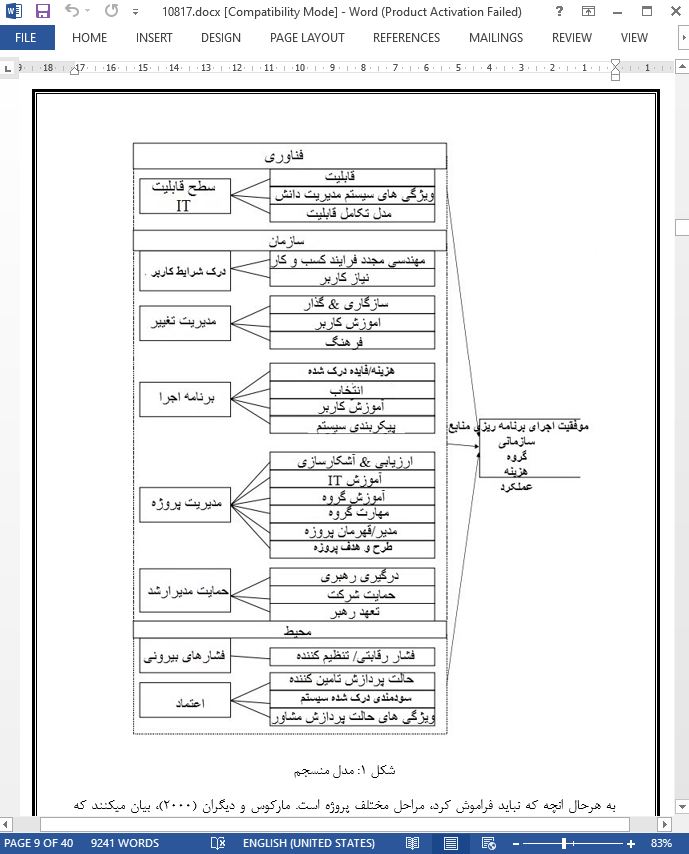
مدل مفهومی
دارد ✓
پرسشنامه
ندارد ☓
متغیر
ندارد ☓
رفرنس در ترجمه
در داخل متن و انتهای مقاله درج شده است
رشته و گرایش های مرتبط با این مقاله
مدیریت، مدیریت کسب و کار، مدیریت منابع انسانی، مدیریت عملکرد
مجله
مجله مدیریت فرآیند تجارت - Business Process Management Journal
دانشگاه
سیستم های اطلاعاتی و علوم کمی، دانشگاه فناوری تگزاس، ایالات متحده آمریکا
کلمات کلیدی
برنامه ریزی منابع سازمانی، اعتماد، فناوری، سازمان، محیط، برنامه ریزی کسب و کار
کلمات کلیدی انگلیسی
Enterprise resource planning - Trust - Technology - Organization - Environment - Business planning
doi یا شناسه دیجیتال
https://doi.org/10.1108/14637151311308358
۰.۰
(هنوز امتیازی ثبت نشده است)