.svg)
.svg)

.svg)


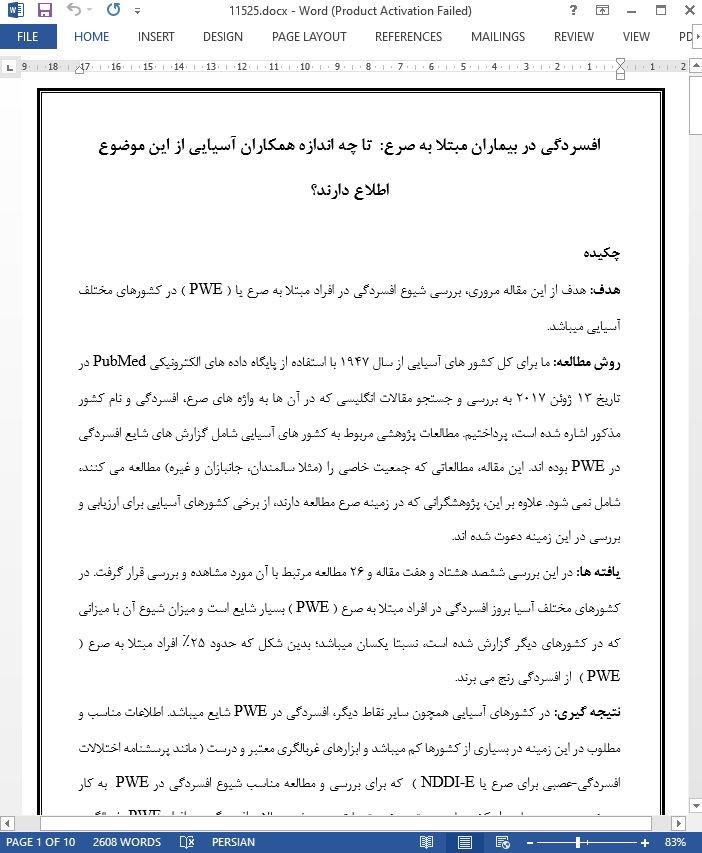
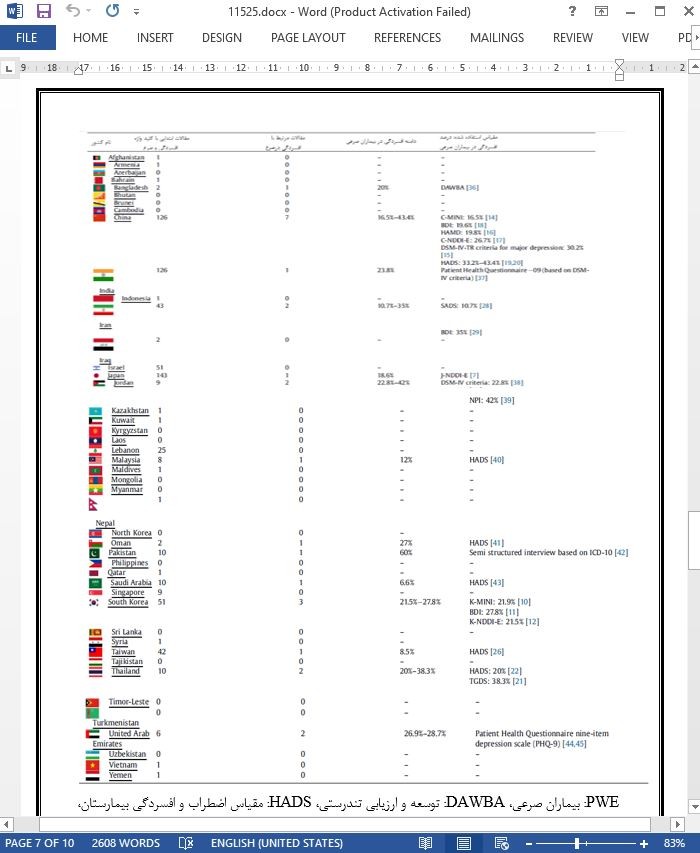
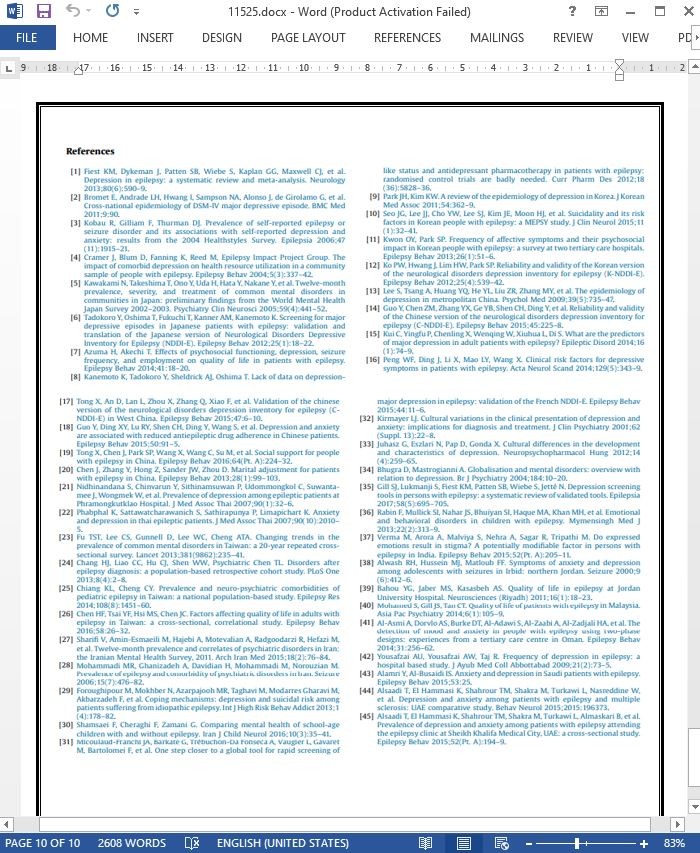
ترجمه مقاله افسردگی در بیماران مبتلا به صرع: تا چه اندازه همکاران آسیایی از این موضوع اطلاع دارند؟ - نشریه الزویر

عنوان فارسی
افسردگی در بیماران مبتلا به صرع: تا چه اندازه همکاران آسیایی از این موضوع اطلاع دارند؟
عنوان انگلیسی
Depression in people with epilepsy: How much do Asian colleagues acknowledge it?
صفحات مقاله فارسی
9
صفحات مقاله انگلیسی
5
سال انتشار
2018
رفرنس
دارای رفرنس در داخل متن و انتهای مقاله
نشریه
الزویر - Elsevier
فرمت مقاله انگلیسی
pdf و ورد تایپ شده با قابلیت ویرایش
فرمت ترجمه مقاله
pdf و ورد تایپ شده با قابلیت ویرایش
فونت ترجمه مقاله
بی نازنین
سایز ترجمه مقاله
14
نوع مقاله
ISI
نوع نگارش
مقالات مروری
نوع ارائه مقاله
ژورنال
پایگاه
اسکوپوس
ایمپکت فاکتور(IF) مجله
2.725 در سال 2020
شاخص H_index مجله
0.849 در سال 2021
شاخص SJR مجله
0.849 در سال 2020
شناسه ISSN مجله
1059-1311
شاخص Q یا Quartile (چارک)
Q2 در سال 2020
کد محصول
11525
وضعیت ترجمه منابع داخل متن
به صورت عدد درج شده است ✓
ضمیمه
ندارد ☓
بیس
نیست ☓
مدل مفهومی
ندارد ☓
پرسشنامه
ندارد ☓
متغیر
ندارد ☓
رفرنس در ترجمه
در انتهای مقاله درج شده است
رشته و گرایش های مرتبط با این مقاله
پزشکی و روانشناسی، روانشناسی عمومی، مغز و اعصاب، روانپزشکی
مجله
تشنج - Seizure
دانشگاه
مرکز تحقیقات علوم اعصاب، دانشکده پزشکی شیراز، دانشگاه علوم پزشکی شیراز، ایران
کلمات کلیدی
آسیا، افسردگی، صرع، NDDI، شیوع، مقیاس
کلمات کلیدی انگلیسی
Asia - Depression - Epilepsy - NDDI - Prevalence - Scale
doi یا شناسه دیجیتال
https://doi.org/10.1016/j.seizure.2018.03.012
۰.۰
(هنوز امتیازی ثبت نشده است)