.svg)
.svg)

.svg)


ترجمه مقاله آستانه های هشدار بر اساس قابلیت اطمینان برای سازه های آنالیز شده - نشریه الزویر

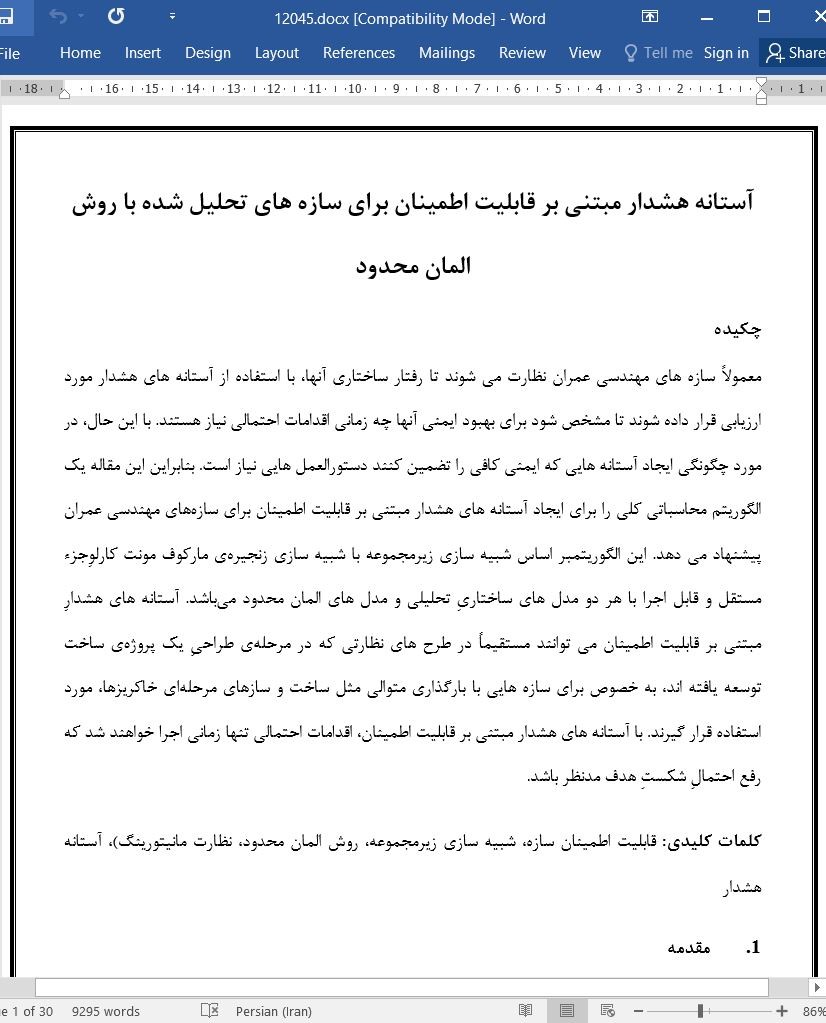
عنوان فارسی
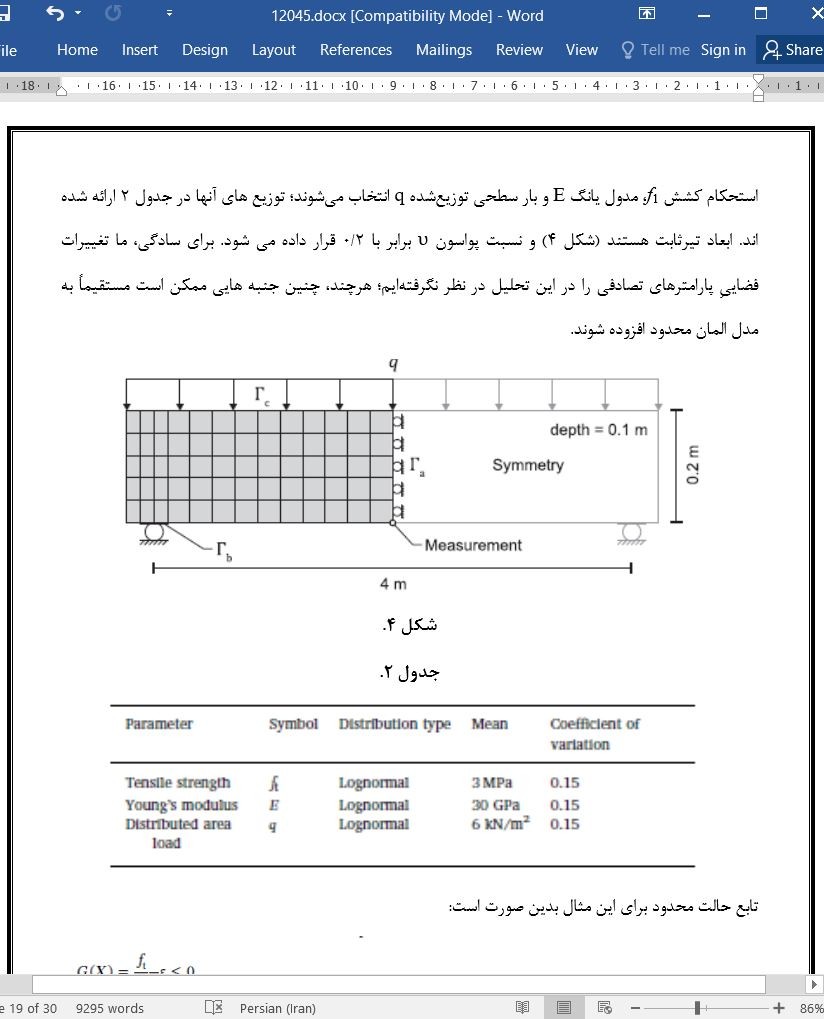
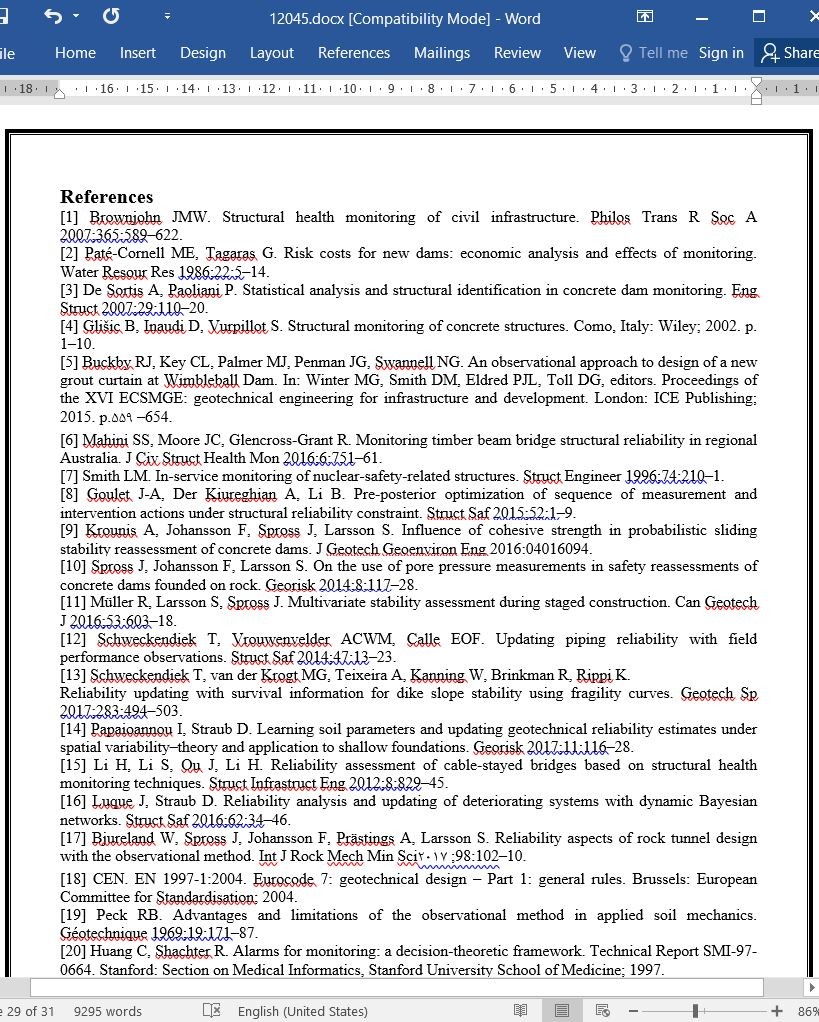
آستانه های هشدار بر اساس قابلیت اطمینان برای سازه های آنالیز شده با روش اجزای محدود
عنوان انگلیسی
Reliability-based alarm thresholds for structures analysed with the finite element method
صفحات مقاله فارسی
30
صفحات مقاله انگلیسی
10
سال انتشار
2019
رفرنس
دارای رفرنس در داخل متن و انتهای مقاله
نشریه
الزویر - Elsevier
فرمت مقاله انگلیسی
PDF
فرمت ترجمه مقاله
pdf و ورد تایپ شده با قابلیت ویرایش
فونت ترجمه مقاله
بی نازنین
سایز ترجمه مقاله
14
نوع مقاله
ISI
نوع نگارش
مقالات پژوهشی (تحقیقاتی)
نوع ارائه مقاله
ژورنال
پایگاه
اسکوپوس
ایمپکت فاکتور(IF) مجله
5.509 در سال 2020
شاخص H_index مجله
93 در سال 2021
شاخص SJR مجله
1.644 در سال 2020
شناسه ISSN مجله
0167-4730
شاخص Q یا Quartile (چارک)
Q1 در سال 2020
کد محصول
12045
وضعیت ترجمه عناوین تصاویر و جداول
ترجمه نشده است ☓
وضعیت ترجمه متون داخل تصاویر و جداول
ترجمه نشده است ☓
وضعیت ترجمه منابع داخل متن
به صورت عدد درج شده است ✓
وضعیت فرمولها و محاسبات در فایل ترجمه
به صورت عکس، درج شده است ✓
ضمیمه
ندارد ☓
بیس
نیست ☓
مدل مفهومی
ندارد ☓
پرسشنامه
ندارد ☓
متغیر
ندارد ☓
فرضیه
ندارد ☓
رفرنس در ترجمه
در انتهای مقاله درج شده است
رشته و گرایش های مرتبط با این مقاله
مهندسی عمران، سازه، مدیریت ساخت و زلزله
مجله
ایمنی سازه - Structural Safety
دانشگاه
بخش مکانیک خاک و سنگ، موسسه فناوری KTH ، سوئد
کلمات کلیدی
قابلیت اطمینان سازه، شبیه سازی زیرمجموعه، روش المان محدود، نظارت مانیتورینگ)، آستانه هشدار
کلمات کلیدی انگلیسی
Structural reliability - Subset simulation - Finite element method - Monitoring - Alarm threshold
doi یا شناسه دیجیتال
https://doi.org/10.1016/j.strusafe.2018.09.004
۰.۰
(هنوز امتیازی ثبت نشده است)