.svg)
.svg)

.svg)


ترجمه مقاله سرمایه گذاری در مسئولیت اجتماعی شرکت ها، شیوه های افشای اطلاعات و عملکرد مالی بانک ها - نشریه الزویر

عنوان فارسی
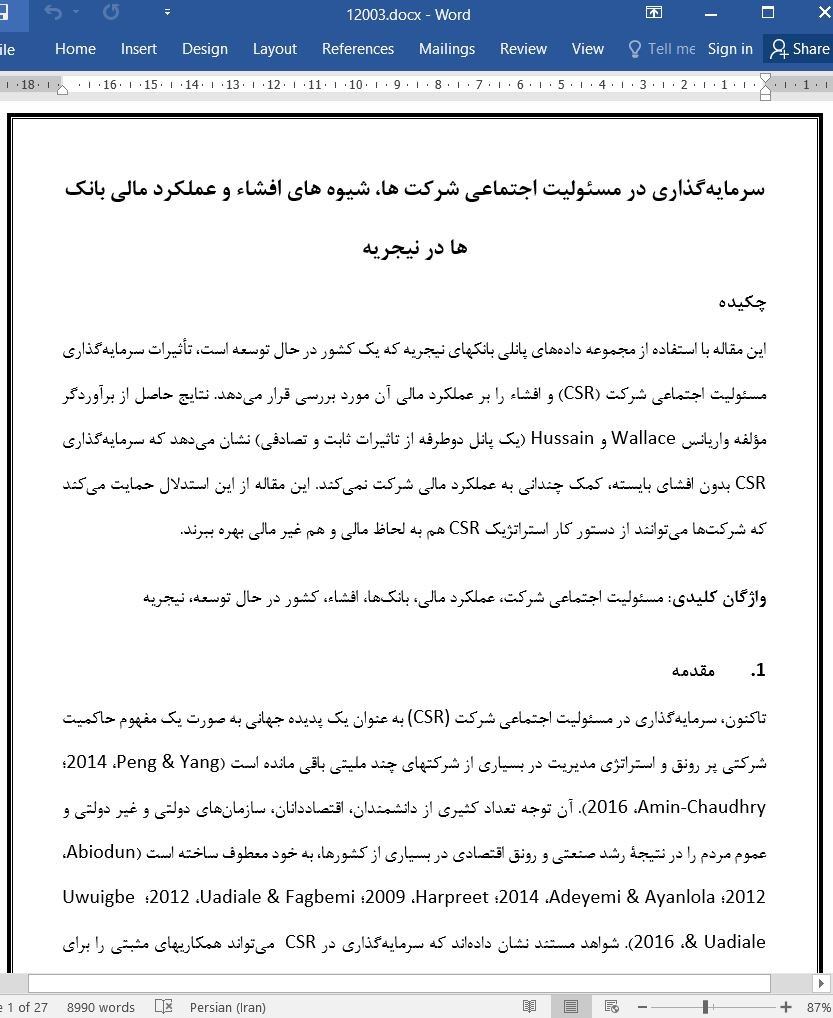
سرمایه گذاری در مسئولیت اجتماعی شرکت ها، شیوه های افشای اطلاعات و عملکرد مالی بانک ها در نیجریه
عنوان انگلیسی
Investment in corporate social responsibility, disclosure practices, and financial performance of banks in Nigeria
صفحات مقاله فارسی
27
صفحات مقاله انگلیسی
11
سال انتشار
2018
رفرنس
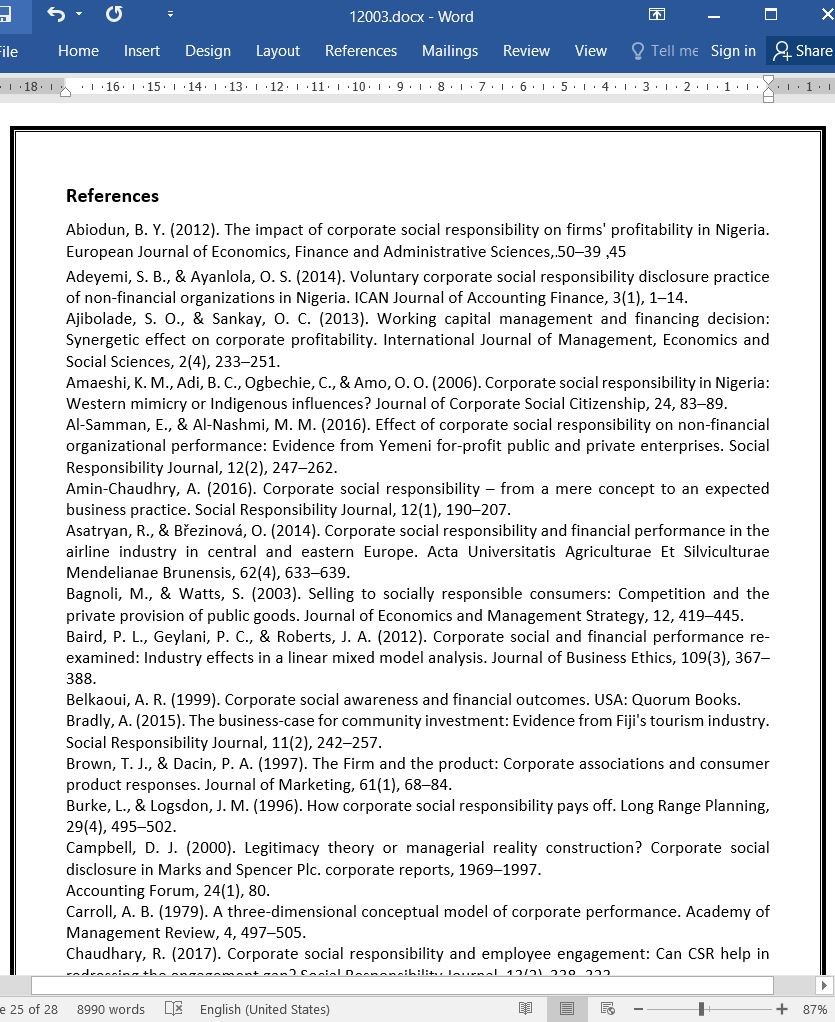
دارای رفرنس در داخل متن و انتهای مقاله
نشریه
الزویر - Elsevier
فرمت مقاله انگلیسی
pdf و ورد تایپ شده با قابلیت ویرایش
فرمت ترجمه مقاله
pdf و ورد تایپ شده با قابلیت ویرایش
فونت ترجمه مقاله
بی نازنین
سایز ترجمه مقاله
14
نوع مقاله
ISI
نوع نگارش
مقالات پژوهشی (تحقیقاتی)
نوع ارائه مقاله
ژورنال
شناسه ISSN مجله
2314-7210
کد محصول
12003
وضعیت ترجمه عناوین تصاویر و جداول
ترجمه شده است ✓
وضعیت ترجمه متون داخل تصاویر و جداول
ترجمه شده است ✓
وضعیت ترجمه منابع داخل متن
به انگلیسی درج شده است ✓
وضعیت فرمولها و محاسبات در فایل ترجمه
به صورت عکس، درج شده است ✓
ضمیمه
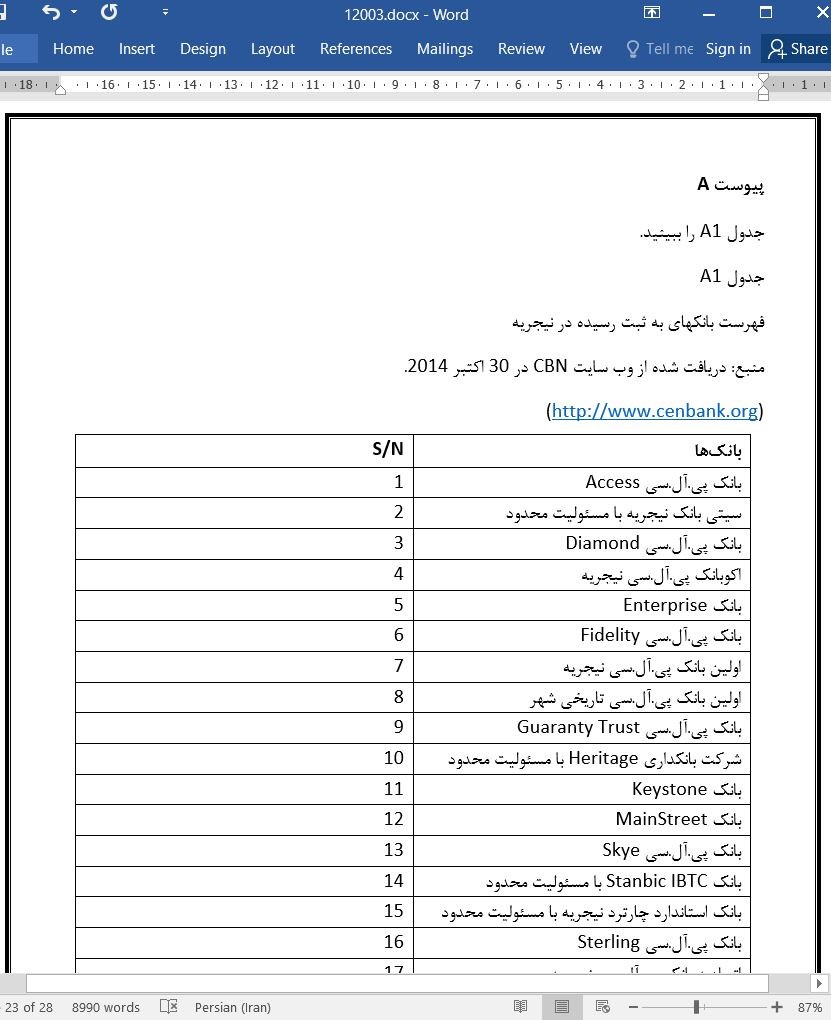
دارد و ترجمه شده است ✓
بیس
است ✓
مدل مفهومی
دارد ✓
پرسشنامه
ندارد ☓
متغیر
دارد ✓
فرضیه
دارد ✓
رفرنس در ترجمه
در انتهای مقاله درج شده است
رشته و گرایش های مرتبط با این مقاله
مدیریت، مدیریت مالی، مدیریت کسب و کار، مدیریت عملکرد و بانکداری
مجله
مجله کسب و کار آینده - Future Business Journal
دانشگاه
گروه حسابداری، دانشگاه لاگوس، آکوکا، لاگوس، نیجریه
کلمات کلیدی
مسئولیت اجتماعی شرکت، عملکرد مالی، بانکها، افشاء، کشور در حال توسعه، نیجریه
کلمات کلیدی انگلیسی
Corporate social responsibility - Financial performance - Banks - Disclosure - Developing country - Nigeria
doi یا شناسه دیجیتال
https://doi.org/10.1016/j.fbj.2018.06.004
۰.۰
(هنوز امتیازی ثبت نشده است)