.svg)
.svg)

.svg)


ترجمه مقاله مدل عددی برای خاک های ماسه ای غیر اشباع تحت بارگذاری تناوبی - نشریه الزویر

عنوان فارسی
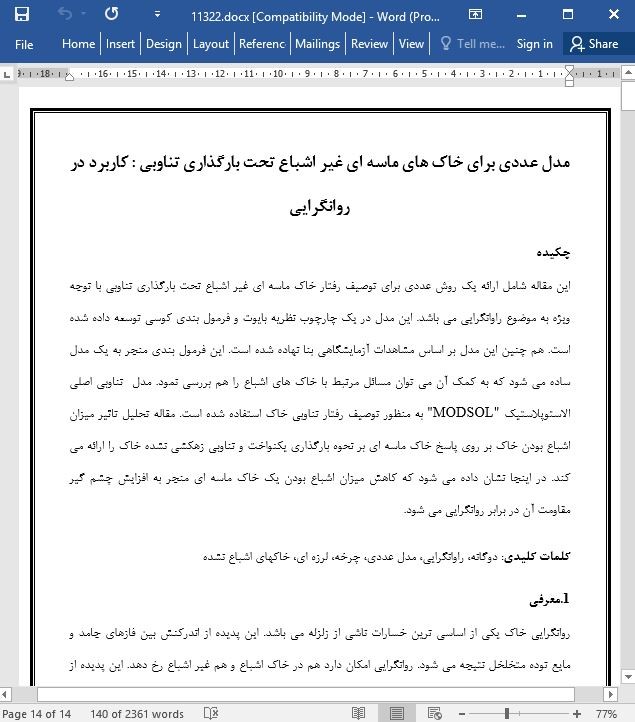
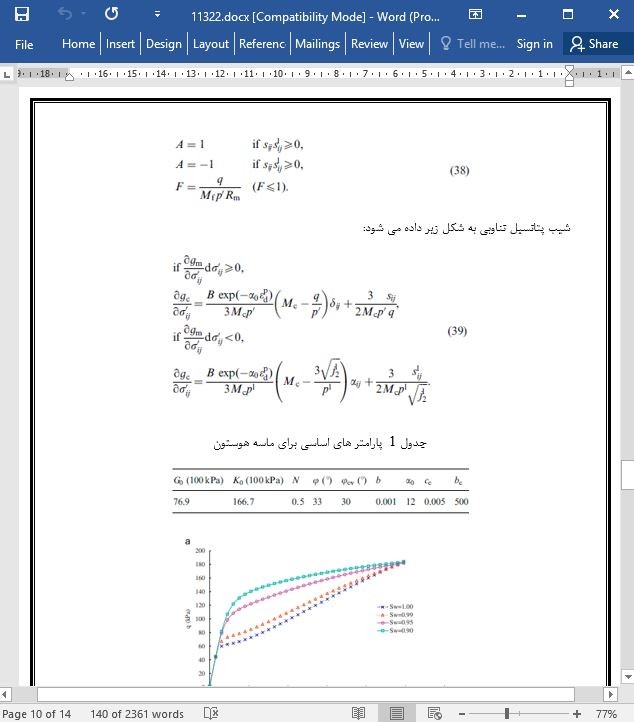
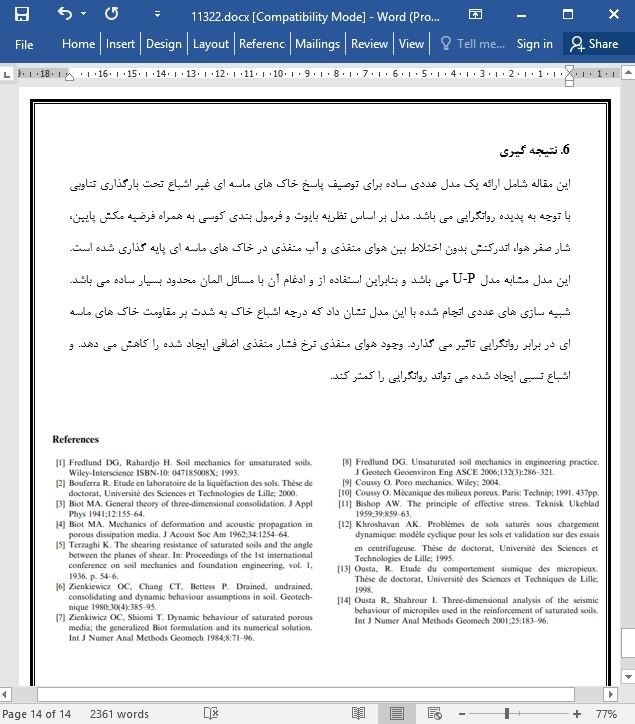
مدل عددی برای خاک های ماسه ای غیر اشباع تحت بارگذاری تناوبی: کاربرد در روانگرایی
عنوان انگلیسی
Numerical model for unsaturated sandy soils under cyclic loading: Application to liquefaction
صفحات مقاله فارسی
14
صفحات مقاله انگلیسی
8
سال انتشار
2009
رفرنس
دارای رفرنس در داخل متن و انتهای مقاله
نشریه
الزویر - Elsevier
فرمت مقاله انگلیسی
PDF
فرمت ترجمه مقاله
pdf و ورد تایپ شده با قابلیت ویرایش
فونت ترجمه مقاله
بی نازنین
سایز ترجمه مقاله
14
نوع مقاله
ISI
نوع نگارش
مقاله کوتاه (Short communication)
نوع ارائه مقاله
ژورنال
پایگاه
اسکوپوس
ایمپکت فاکتور(IF) مجله
3.392 در سال 2019
شاخص H_index مجله
86 در سال 2020
شاخص SJR مجله
1.194 در سال 2019
شناسه ISSN مجله
86 در سال 2020
شاخص Q یا Quartile (چارک)
Q1 در سال 2019
کد محصول
11322
وضعیت ترجمه عناوین تصاویر و جداول
ترجمه شده است ✓
وضعیت ترجمه متون داخل تصاویر و جداول
ترجمه نشده است ☓
وضعیت ترجمه منابع داخل متن
درج نشده است ☓
وضعیت فرمولها و محاسبات در فایل ترجمه
به صورت عکس، درج شده است ✓
ضمیمه
ندارد ☓
بیس
نیست ☓
مدل مفهومی
ندارد ☓
پرسشنامه
ندارد ☓
متغیر
ندارد ☓
رفرنس در ترجمه
در انتهای مقاله درج شده است
رشته و گرایش های مرتبط با این مقاله
مهندسی عمران، خاک و پی، زلزله
مجله
پویایی خاک و مهندسی زلزله - Soil Dynamics and Earthquake Engineering
دانشگاه
آزمایشگاه مکانیک لیل، دانشگاه علم و صنعت لیل، فرانسه
کلمات کلیدی
دوگانه، راوانگرایی، مدل عددی، چرخه، لرزه ای، خاکهای اشباع نشده
کلمات کلیدی انگلیسی
Coupled - Liquefaction - Numerical model - Cyclic - Seismic - Unsaturated soils
doi یا شناسه دیجیتال
https://doi.org/10.1016/j.soildyn.2008.01.004
۰.۰
(هنوز امتیازی ثبت نشده است)