.svg)
.svg)

.svg)


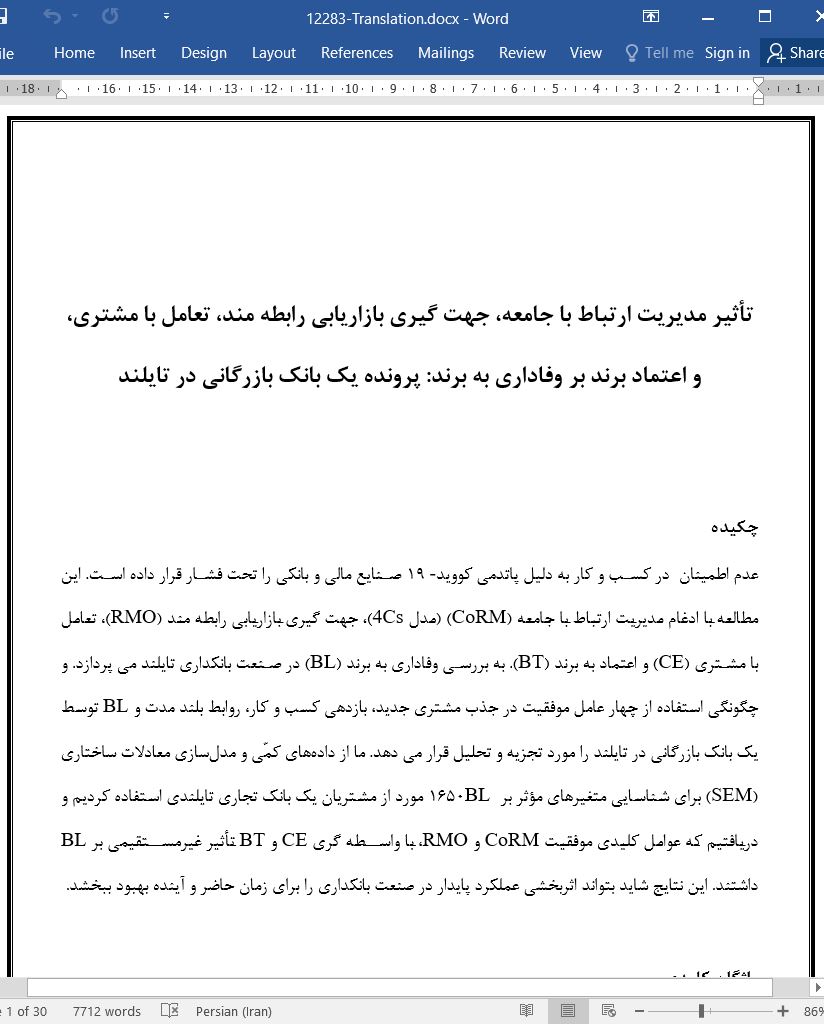
ترجمه مقاله تأثیر مدیریت ارتباط با جامعه، جهت گیری بازاریابی رابطه مند، تعامل با مشتری، و اعتماد برند بر وفاداری به برند - نشریه الزویر

عنوان فارسی
تأثیر مدیریت ارتباط با جامعه، جهت گیری بازاریابی رابطه مند، تعامل با مشتری، و اعتماد برند بر وفاداری به برند: پرونده یک بانک بازرگانی در تایلند
عنوان انگلیسی
Effect of community relationship management, relationship marketing orientation, customer engagement, and brand trust on brand loyalty: The case of a commercial bank in Thailand
صفحات مقاله فارسی
30
صفحات مقاله انگلیسی
10
سال انتشار
2022
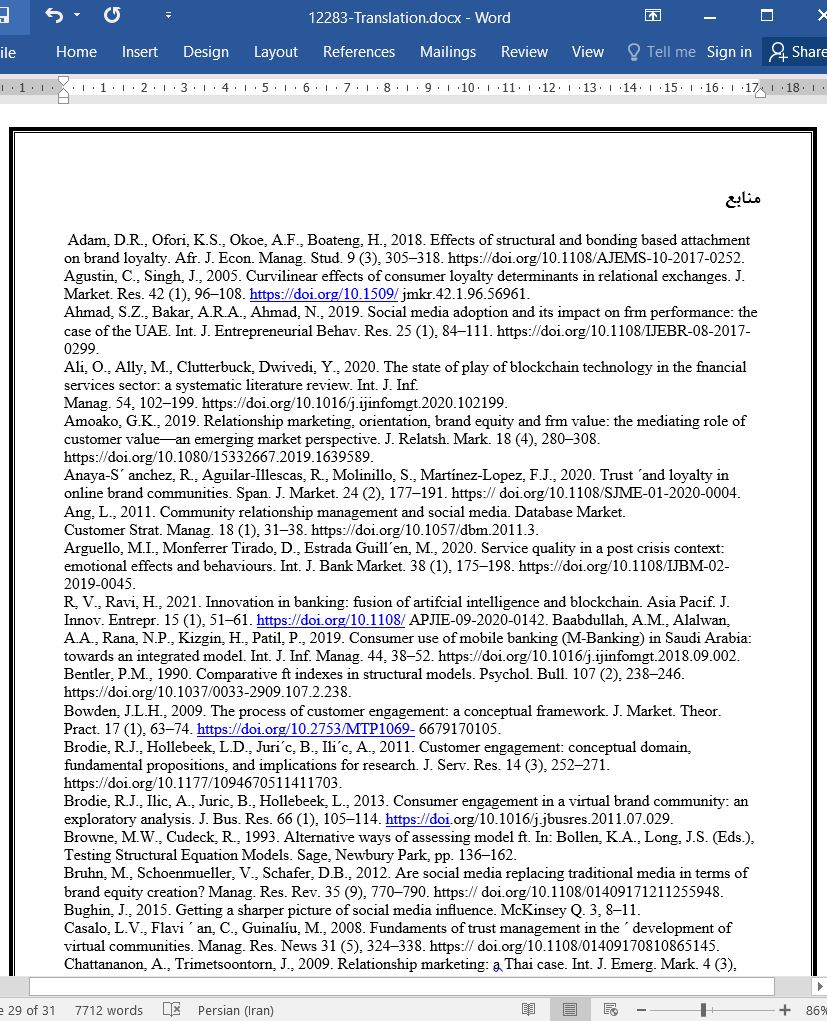
رفرنس
دارای رفرنس در داخل متن و انتهای مقاله
نشریه
الزویر - Elsevier
فرمت مقاله انگلیسی
pdf و ورد تایپ شده با قابلیت ویرایش
فرمت ترجمه مقاله
pdf و ورد تایپ شده با قابلیت ویرایش
فونت ترجمه مقاله
بی نازنین
سایز ترجمه مقاله
14
نوع مقاله
ISI
نوع نگارش
مقالات پژوهشی (تحقیقاتی)
نوع ارائه مقاله
ژورنال
پایگاه
اسکوپوس
ایمپکت فاکتور(IF) مجله
7.766 در سال 2020
شاخص H_index مجله
89 در سال 2021
شاخص SJR مجله
1.568 در سال 2020
شناسه ISSN مجله
0969-6989
شاخص Q یا Quartile (چارک)
Q1 در سال 2020
کد محصول
12283
وضعیت ترجمه عناوین تصاویر و جداول
ترجمه شده است ✓
وضعیت ترجمه متون داخل تصاویر و جداول
ترجمه شده است ✓
وضعیت ترجمه منابع داخل متن
به صورت انگلیسی درج شده است ✓
وضعیت فرمولها و محاسبات در فایل ترجمه
ندارد ☓
ضمیمه
ندارد ☓
بیس
است ✓
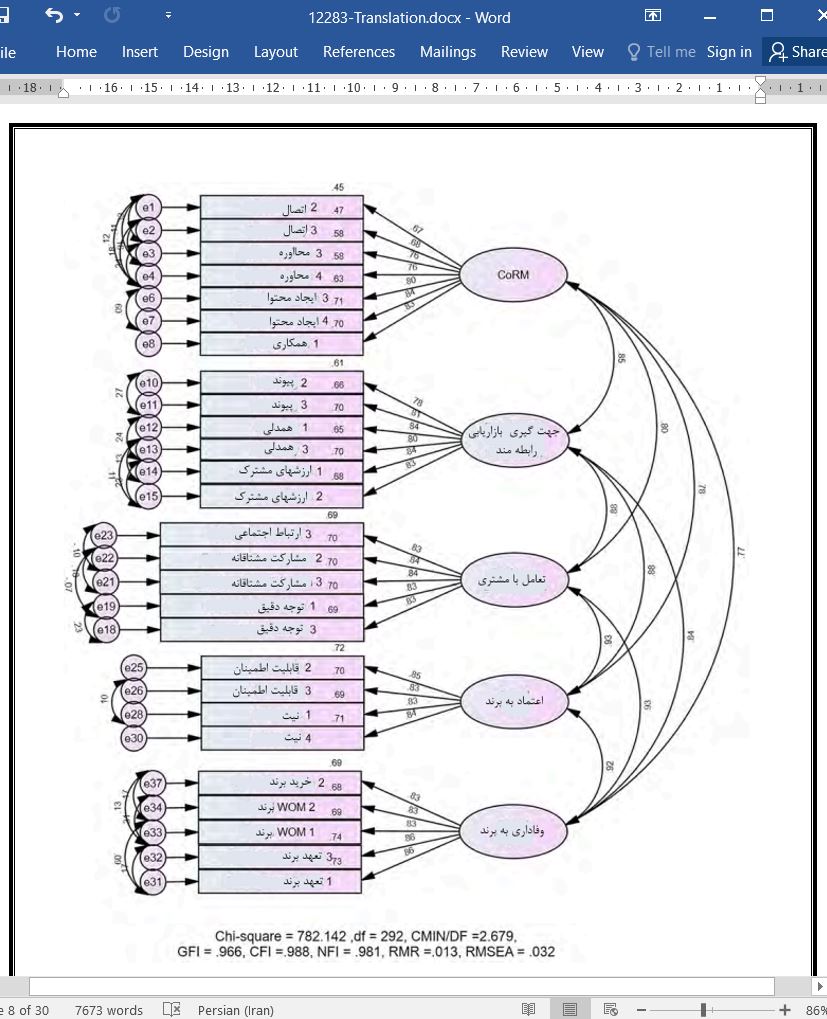
مدل مفهومی
دارد ✓
پرسشنامه
ندارد ☓
متغیر
دارد ✓
فرضیه
دارد ✓
رفرنس در ترجمه
در انتهای مقاله درج شده است
رشته و گرایش های مرتبط با این مقاله
مدیریت، بازاریابی، مدیریت بازرگانی، مدیریت کسب و کار
مجله
مجله خرده فروشی و خدمات مصرف کننده - Journal of Retailing and Consumer Services
دانشگاه
دانشکده علوم مدیریت، دانشگاه Kasetsart، تایلند
کلمات کلیدی
مدیریت ارتباط با جامعه، گرایش بازاریابی رابطه مند، وفاداری به برند
کلمات کلیدی انگلیسی
Community relationship management - Relationship marketing orientation - Brand loyalty
doi یا شناسه دیجیتال
https://doi.org/10.1016/j.jretconser.2021.102826
۰.۰
(هنوز امتیازی ثبت نشده است)