.svg)
.svg)

.svg)


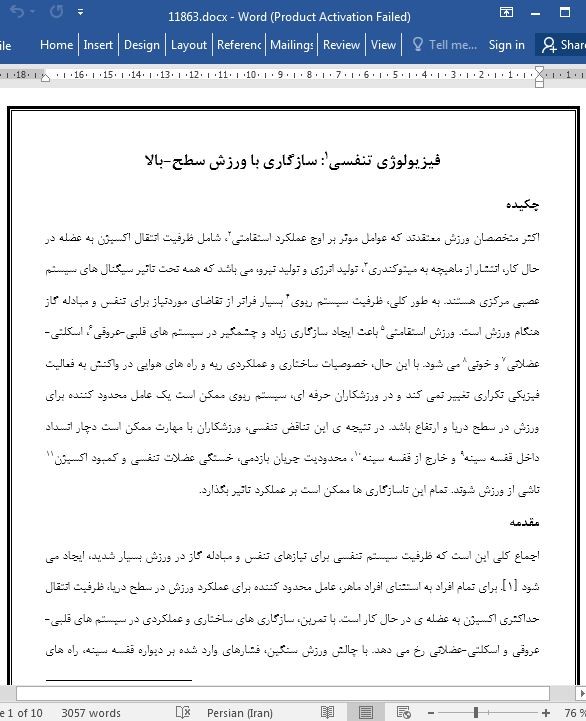
ترجمه مقاله فیزیولوژی تنفسی: سازگاری با ورزش های سطح بالا

عنوان فارسی
فیزیولوژی تنفسی: سازگاری با ورزش های سطح بالا
عنوان انگلیسی
Respiratory physiology: adaptations to high-level exercise
صفحات مقاله فارسی
10
صفحات مقاله انگلیسی
4
سال انتشار
2011
رفرنس
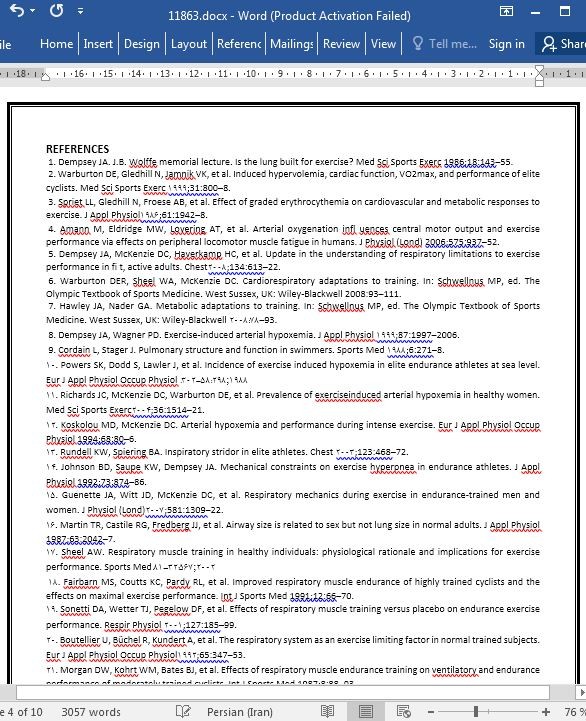
دارای رفرنس در داخل متن و انتهای مقاله
فرمت مقاله انگلیسی
pdf و ورد تایپ شده با قابلیت ویرایش
فرمت ترجمه مقاله
pdf و ورد تایپ شده با قابلیت ویرایش
فونت ترجمه مقاله
بی نازنین
سایز ترجمه مقاله
14
نوع مقاله
ISI
نوع نگارش
مقاله مروری (Review Article)
نوع ارائه مقاله
ژورنال
پایگاه
اسکوپوس
ایمپکت فاکتور(IF) مجله
5.972 در سال 2020
شاخص H_index مجله
171 در سال 2021
شاخص SJR مجله
4.329 در سال 2020
شناسه ISSN مجله
0306-3674
شاخص Q یا Quartile (چارک)
Q1 در سال 2020
کد محصول
11863
وضعیت ترجمه عناوین تصاویر و جداول
ترجمه شده است ✓
وضعیت ترجمه متون داخل تصاویر و جداول
ترجمه شده است ✓
وضعیت ترجمه منابع داخل متن
به صورت عدد درج شده است ✓
وضعیت فرمولها و محاسبات در فایل ترجمه
ندارد ☓
ضمیمه
ندارد ☓
بیس
نیست ☓
مدل مفهومی
ندارد ☓
پرسشنامه
ندارد ☓
متغیر
ندارد ☓
فرضیه
ندارد ☓
رفرنس در ترجمه
در انتهای مقاله درج شده است
رشته و گرایش های مرتبط با این مقاله
تربیت بدنی، فیزیولوژی ورزشی، فیزیولوژی فعالیت بدنی و تندرستی
مجله
مجله بریتانیایی پزشکی ورزشی - British Journal of Sports Medicine
دانشگاه
دانشگاه بریتیش کلمبیا، بخش پزشکی ورزشی، کانادا
doi یا شناسه دیجیتال
http://dx.doi.org/10.1136/bjsports-2011-090824
۰.۰
(هنوز امتیازی ثبت نشده است)