.svg)
.svg)

.svg)


ترجمه مقاله مکانیزم هایی جهت بهبود بازدهی نیروی کار با انجام دورکاری - نشریه الزویر

عنوان فارسی
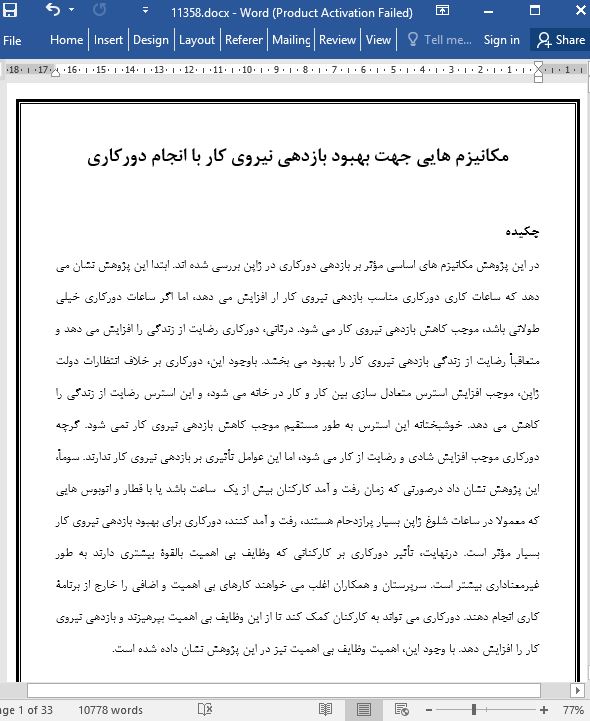
مکانیزم هایی جهت بهبود بازدهی نیروی کار با انجام دورکاری
عنوان انگلیسی
Mechanisms to improve labor productivity by performing telework
صفحات مقاله فارسی
33
صفحات مقاله انگلیسی
15
سال انتشار
2020
رفرنس
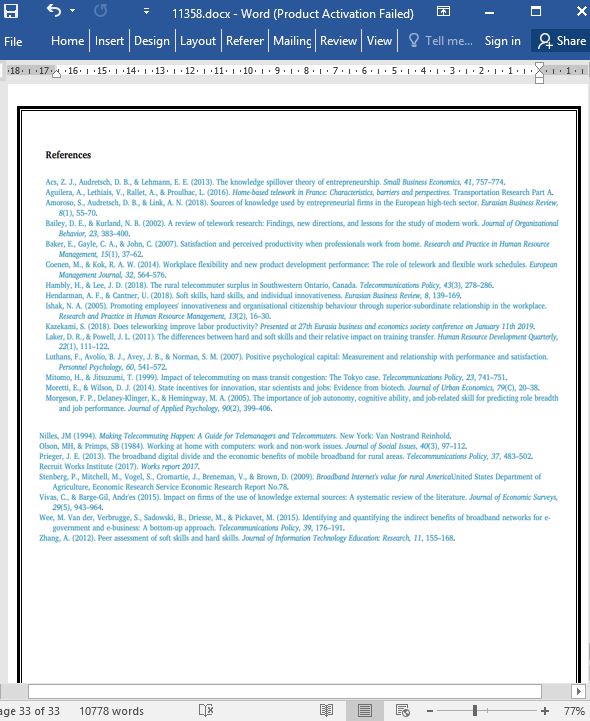
دارای رفرنس در داخل متن و انتهای مقاله
نشریه
الزویر - Elsevier
فرمت مقاله انگلیسی
PDF
فرمت ترجمه مقاله
pdf و ورد تایپ شده با قابلیت ویرایش
فونت ترجمه مقاله
بی نازنین
سایز ترجمه مقاله
14
نوع مقاله
ISI
نوع نگارش
مقالات پژوهشی (تحقیقاتی)
نوع ارائه مقاله
ژورنال
پایگاه
اسکوپوس
ایمپکت فاکتور(IF) مجله
3.213 در سال 2019
شاخص H_index مجله
66 در سال 2020
شاخص SJR مجله
0.888 در سال 2019
شناسه ISSN مجله
0308-5961
شاخص Q یا Quartile (چارک)
Q1 در سال 2019
کد محصول
11358
وضعیت ترجمه عناوین تصاویر و جداول
ترجمه شده است ✓
وضعیت ترجمه متون داخل تصاویر و جداول
ترجمه شده است ✓
وضعیت ترجمه منابع داخل متن
ترجمه شده است ✓
وضعیت فرمولها و محاسبات در فایل ترجمه
به صورت عکس، درج شده است ✓
ضمیمه
ندارد ☓
بیس
نیست ☓
مدل مفهومی
ندارد ☓
پرسشنامه
ندارد ☓
متغیر
ندارد ☓
رفرنس در ترجمه
در داخل متن و انتهای مقاله درج شده است
رشته و گرایش های مرتبط با این مقاله
مدیریت، مهندسی فناوری اطلاعات، مدیریت فناوری اطلاعات، مدیریت کسب و کار، اینترنت و شبکه های گسترده
مجله
سیاست ارتباطات از راه دور - Telecommunications Policy
دانشگاه
دانشگاه کیو، دانشکده تجارت و بازرگانی، ژاپن
کلمات کلیدی
دورکاری، بازدهی نیروی کار، استرس برقراری تعادل بین کار و کار در خانه، رضایت از زندگی، رفت و آمد، وقفه در کار
کلمات کلیدی انگلیسی
Telework - Labor productivity - Stress of balancing work and domestic chores - Life satisfaction - Commuting - Interruption at work
doi یا شناسه دیجیتال
https://doi.org/10.1016/j.telpol.2019.101868
۰.۰
(هنوز امتیازی ثبت نشده است)