.svg)
.svg)

.svg)


ترجمه مقاله قابلیت اطمینان سازه لرزهای بهبود یافته بر روی ساختمان های بتن آرمه - نشریه هینداوی

عنوان فارسی
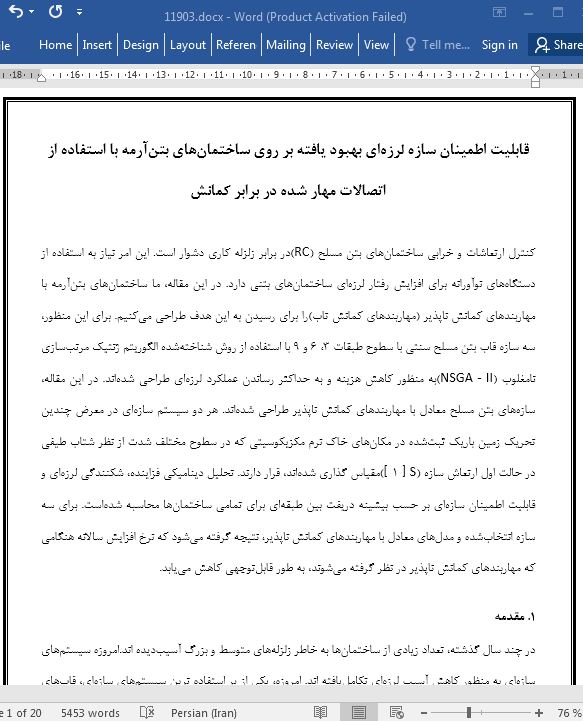
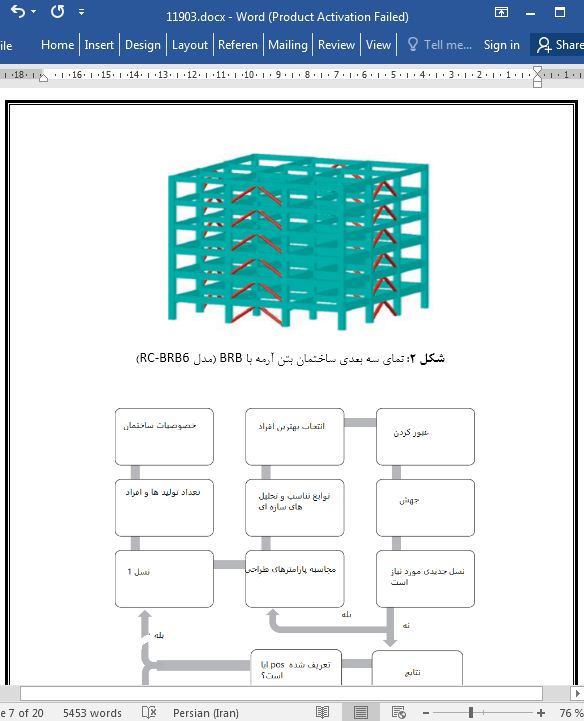
قابلیت اطمینان سازه لرزهای بهبود یافته بر روی ساختمانهای بتنآرمه با استفاده از اتصالات مهار شده در برابر کمانش
عنوان انگلیسی
Enhanced Seismic Structural Reliability on Reinforced Concrete Buildings by Using Buckling Restrained Braces
صفحات مقاله فارسی
20
صفحات مقاله انگلیسی
12
سال انتشار
2021
رفرنس
دارای رفرنس در داخل متن و انتهای مقاله
نشریه
هینداوی - Hindawi
فرمت مقاله انگلیسی
PDF
فرمت ترجمه مقاله
pdf و ورد تایپ شده با قابلیت ویرایش
فونت ترجمه مقاله
بی نازنین
سایز ترجمه مقاله
14
نوع مقاله
ISI
نوع نگارش
مقالات پژوهشی (تحقیقاتی)
نوع ارائه مقاله
ژورنال
پایگاه
اسکوپوس
ایمپکت فاکتور(IF) مجله
1.624 در سال 2020
شاخص H_index مجله
45 در سال 2021
شاخص SJR مجله
0.418 در سال 2020
شناسه ISSN مجله
1875-9203
شاخص Q یا Quartile (چارک)
20 (3 صفحه رفرنس انگلیسی)
کد محصول
11903
وضعیت ترجمه عناوین تصاویر و جداول
ترجمه شده است ✓
وضعیت ترجمه متون داخل تصاویر و جداول
ترجمه شده است ✓
وضعیت ترجمه منابع داخل متن
به صورت عدد درج شده است ✓
وضعیت فرمولها و محاسبات در فایل ترجمه
تایپ شده است
ضمیمه
ندارد ☓
بیس
نیست ☓
مدل مفهومی
ندارد ☓
پرسشنامه
ندارد ☓
متغیر
ندارد ☓
رفرنس در ترجمه
در داخل متن و انتهای مقاله درج شده است
رشته های مرتبط با این مقاله
مهندسی عمران
گرایش های مرتبط با این مقاله
سازه، زلزله، مدیریت ساخت
مجله
شوک و ارتعاش - Shock and Vibration
دانشگاه
دانشکده مهندسی، دانشگاه خودمختار سینالوا، مکزیک
doi یا شناسه دیجیتال
https://doi.org/10.1155/2021/8816552
۰.۰
(هنوز امتیازی ثبت نشده است)