.svg)
.svg)

.svg)


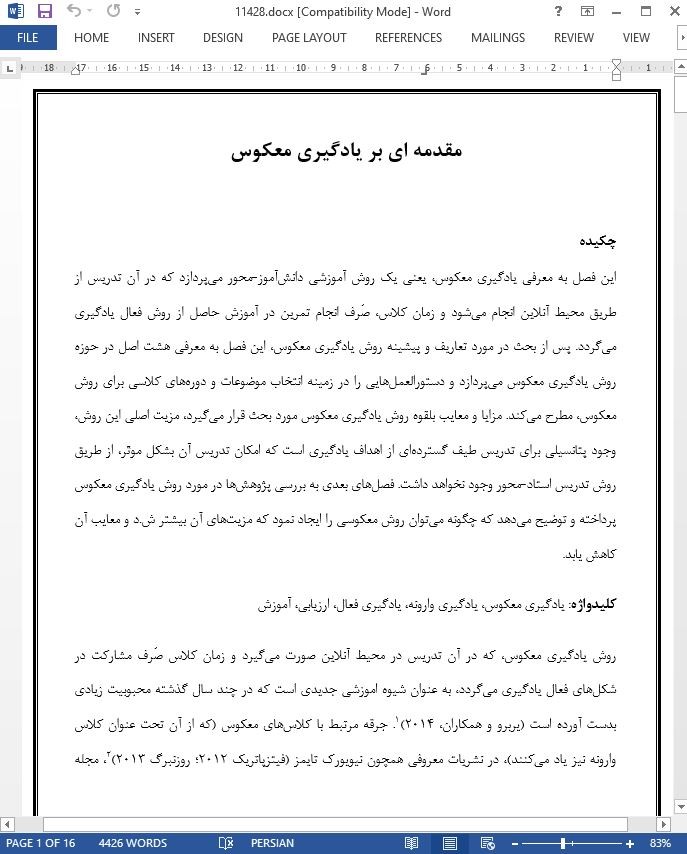
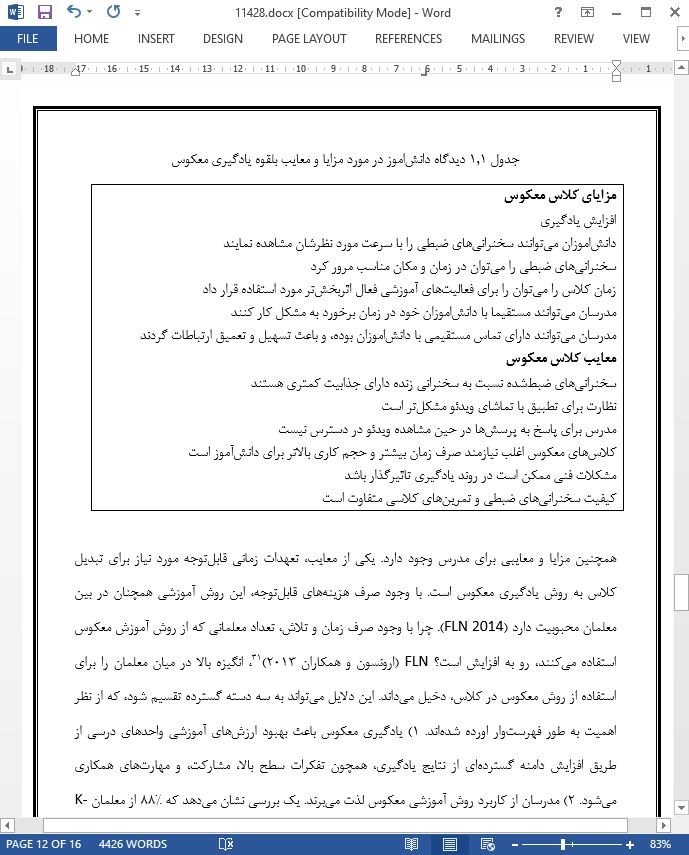
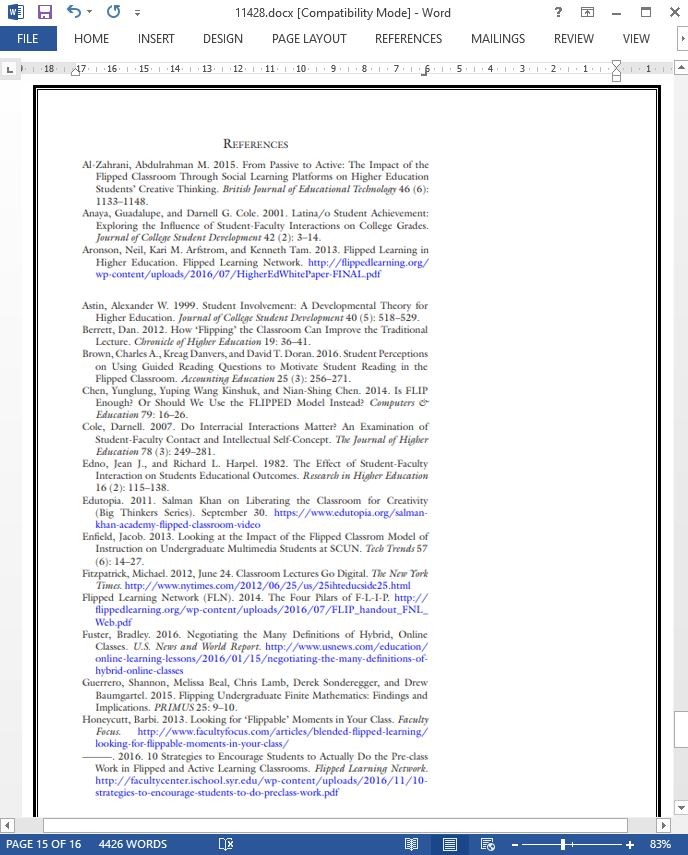
ترجمه مقاله مقدمه ای بر یادگیری معکوس - نشریه اشپرینگر

عنوان فارسی
مقدمه ای بر یادگیری معکوس
عنوان انگلیسی
Introduction to Flipped Learning
صفحات مقاله فارسی
16
صفحات مقاله انگلیسی
18
سال انتشار
2018
رفرنس
دارای رفرنس در داخل متن و انتهای مقاله
نشریه
اشپرینگر - Springer
فرمت مقاله انگلیسی
pdf و ورد تایپ شده با قابلیت ویرایش
فرمت ترجمه مقاله
pdf و ورد تایپ شده با قابلیت ویرایش
فونت ترجمه مقاله
بی نازنین
سایز ترجمه مقاله
14
نوع مقاله
ISI
نوع نگارش
فصل کتاب (Book Chapter )
نوع ارائه مقاله
ژورنال
شناسه ISSN مجله
2366-7672
کد محصول
11428
وضعیت ترجمه منابع داخل متن
ترجمه شده است ✓
بیس
نیست ☓
مدل مفهومی
ندارد ☓
پرسشنامه
ندارد ☓
متغیر
ندارد ☓
رفرنس در ترجمه
در انتهای مقاله درج شده است
رشته های مرتبط با این مقاله
علوم تربیتی
گرایش های مرتبط با این مقاله
مدیریت و برنامه ریزی آموزشی، تکنولوژی آموزشی
مجله
یادگیری معکوس با فراگیران متنوع - Flipped Classrooms with Diverse Learners
دانشگاه
انستیتوی آموزش دانشگاه کالج لندن، انگلستان
کلمات کلیدی
یادگیری معکوس، یادگیری وارونه، یادگیری فعال، ارزیابی، آموزش
کلمات کلیدی انگلیسی
Flipped learning - Inverted learning - Active learning - Assessment - Pedagogy
doi یا شناسه دیجیتال
https://doi.org/10.1007/978-981-15-4171-1_1
۰.۰
(هنوز امتیازی ثبت نشده است)