.svg)
.svg)

.svg)


ترجمه مقاله خرابی های خانه های بنایی ناشی از زمین لرزه های گسل موجود در آناتولی شرقی - نشریه الزویر

عنوان فارسی
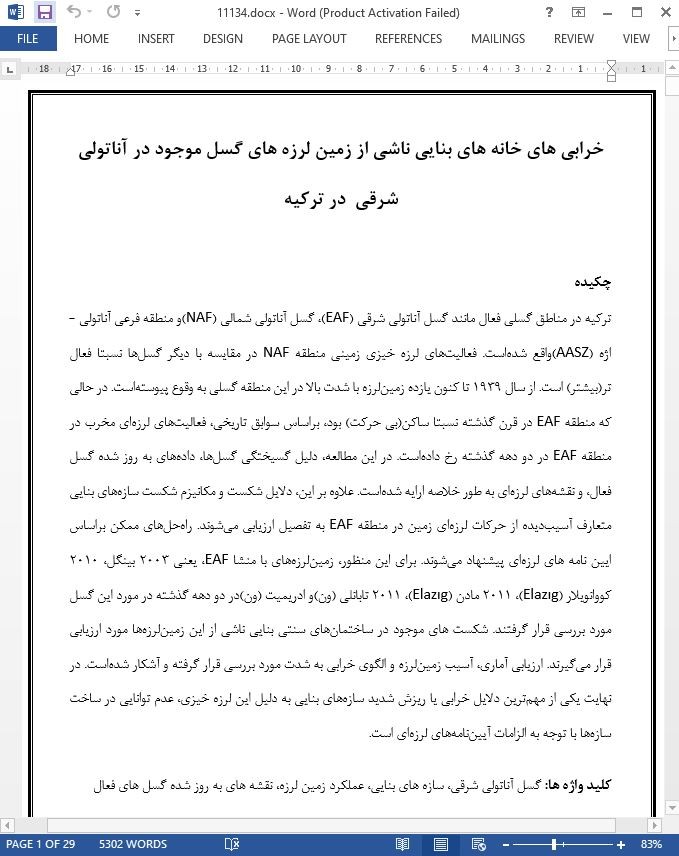
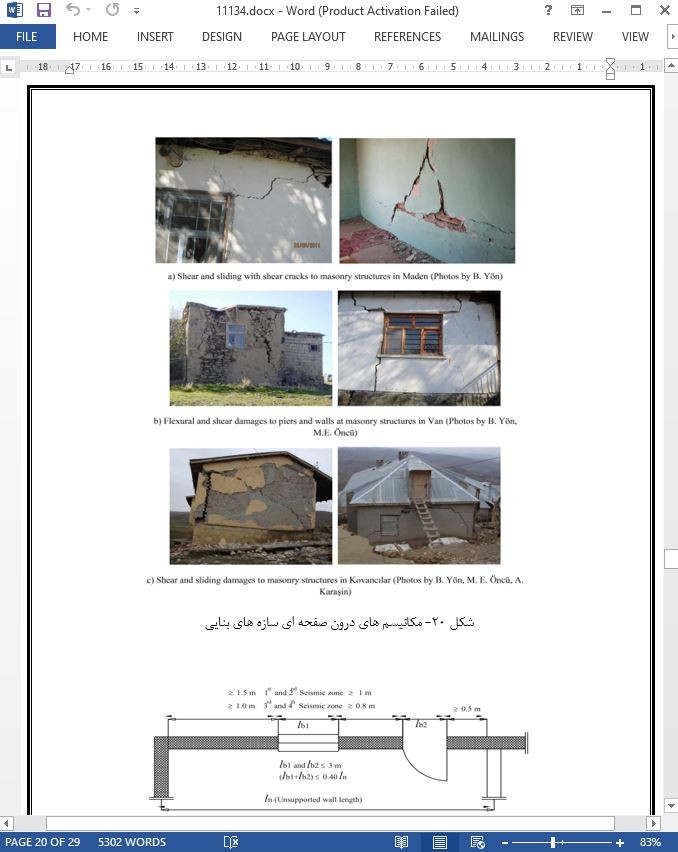
خرابی های خانه های بنایی ناشی از زمین لرزه های گسل موجود در آناتولی شرقی در ترکیه
عنوان انگلیسی
Failures of masonry dwelling triggered by East Anatolian Fault earthquakes in Turkey
صفحات مقاله فارسی
29
صفحات مقاله انگلیسی
17
سال انتشار
2020
رفرنس
دارای رفرنس در داخل متن و انتهای مقاله
نشریه
الزویر - Elsevier
فرمت مقاله انگلیسی
PDF
فرمت ترجمه مقاله
pdf و ورد تایپ شده با قابلیت ویرایش
فونت ترجمه مقاله
بی نازنین
سایز ترجمه مقاله
14
نوع مقاله
ISI
نوع نگارش
مقالات پژوهشی (تحقیقاتی)
نوع ارائه مقاله
ژورنال
پایگاه
اسکوپوس
ایمپکت فاکتور(IF) مجله
3.392 در سال 2019
شاخص H_index مجله
86 در سال 2020
شاخص SJR مجله
1.194 در سال 2019
شناسه ISSN مجله
0267-7261
شاخص Q یا Quartile (چارک)
Q1 در سال 2019
کد محصول
11134
وضعیت ترجمه عناوین تصاویر و جداول
ترجمه شده است ✓
وضعیت ترجمه متون داخل تصاویر و جداول
ناقص ترجمه شده است ✓
وضعیت ترجمه منابع داخل متن
درج نشده است ☓
ضمیمه
ندارد
بیس
نیست ☓
مدل مفهومی
ندارد ☓
پرسشنامه
ندارد ☓
متغیر
ندارد ☓
رفرنس در ترجمه
در انتهای مقاله درج شده است
رشته و گرایش های مرتبط با این مقاله
مهندسی عمران، سازه، زلزله
مجله
دینامیک خاک و مهندسی زلزله - Soil Dynamics and Earthquake Engineering
دانشگاه
دانشگاه منزور، گروه مهندسی عمران، تونسلی، ترکیه
کلمات کلیدی
گسل آناتولی شرقی، سازه های بنایی، عملکرد زمین لرزه، نقشه های به روز شده گسل های فعال
کلمات کلیدی انگلیسی
East anatolian fault - Masonry structures - Earthquake performance - Updated active fault map
doi یا شناسه دیجیتال
https://doi.org/10.1016/j.soildyn.2020.106126
۰.۰
(هنوز امتیازی ثبت نشده است)