.svg)
.svg)

.svg)


ترجمه مقاله یک تحلیل انتقادی از کلاهبرداری بانک ملی پنجاب و پیامدهای آن

عنوان فارسی
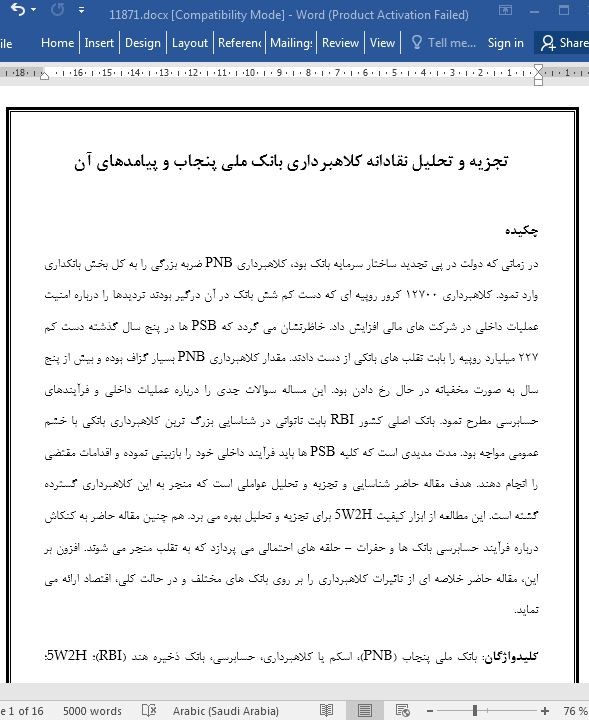
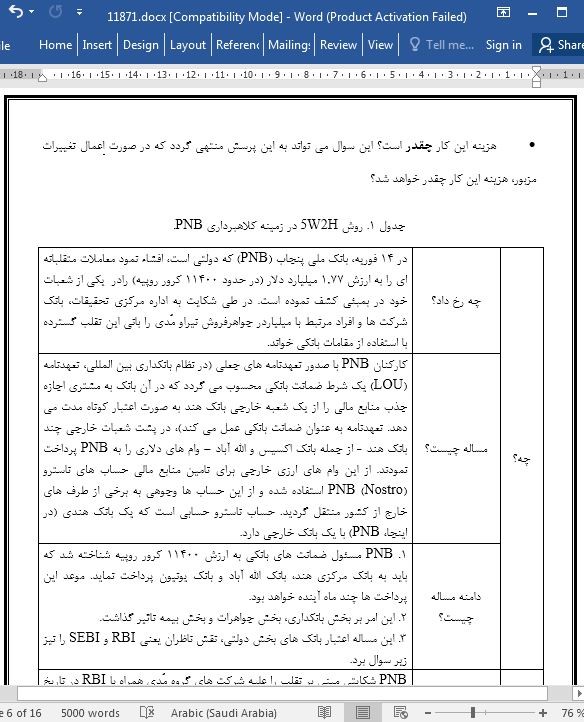
یک تحلیل انتقادی از کلاهبرداری بانک ملی پنجاب و پیامدهای آن
عنوان انگلیسی
A Critical Analysis of the Punjab National Bank Scam and Its Implications
صفحات مقاله فارسی
16
صفحات مقاله انگلیسی
14
سال انتشار
2018
رفرنس
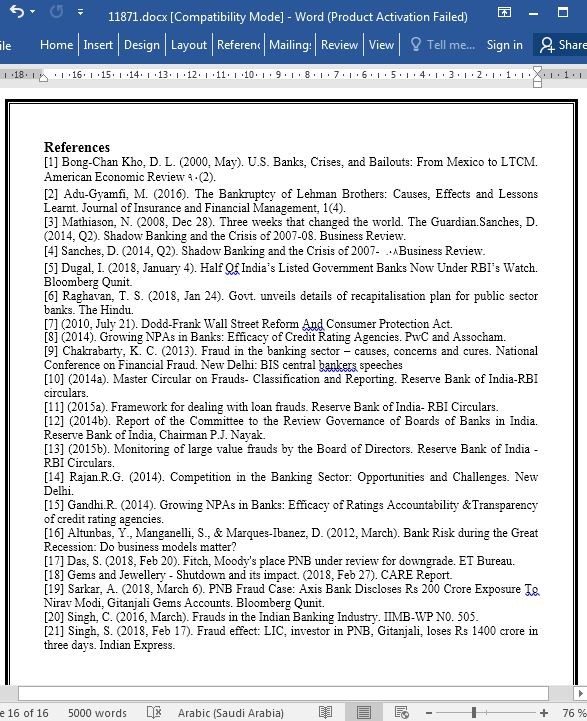
دارای رفرنس در داخل متن و انتهای مقاله
فرمت مقاله انگلیسی
pdf و ورد تایپ شده با قابلیت ویرایش
فرمت ترجمه مقاله
pdf و ورد تایپ شده با قابلیت ویرایش
فونت ترجمه مقاله
بی نازنین
سایز ترجمه مقاله
14
نوع مقاله
ISI
نوع ارائه مقاله
ژورنال
شاخص H_index مجله
24 در سال 2021
شاخص SJR مجله
0.142 در سال 2020
شناسه ISSN مجله
1314-3395
شاخص Q یا Quartile (چارک)
Q4 در سال 2020
کد محصول
11871
وضعیت ترجمه عناوین تصاویر و جداول
ترجمه شده است ✓
وضعیت ترجمه متون داخل تصاویر و جداول
ترجمه شده است ✓
وضعیت ترجمه منابع داخل متن
به صورت عدد درج شده است ✓
وضعیت فرمولها و محاسبات در فایل ترجمه
ندارد ☓
ضمیمه
ندارد ☓
بیس
نیست ☓
مدل مفهومی
ندارد ☓
پرسشنامه
ندارد ☓
متغیر
ندارد ☓
فرضیه
ندارد ☓
رفرنس در ترجمه
در انتهای مقاله درج شده است
رشته و گرایش های مرتبط با این مقاله
مدیریت، حسابداری ؛ بانکداری، مدیریت مالی، حسابداری مالی، حسابرسی
مجله
مجله بین المللی ریاضیات محض و کاربردی - International Journal of Pure and Applied Mathematics
دانشگاه
دانشکده مطالعات مدیریت، پالاوارام، چنای
کلمات کلیدی
بانک ملی پنجاب (PNB)، اسکم یا کلاهبرداری، حسابرسی، بانک ذخیره هند (RBI)؛ 5W2H؛ تعهدنامه (LOU)
کلمات کلیدی انگلیسی
PNB - Scam - Audit - RBI - 5W2H - LOU
۰.۰
(هنوز امتیازی ثبت نشده است)