.svg)
.svg)

.svg)


ترجمه مقاله مطالعه معیار تفاوت بین راکتورهای هم زن دار و راکتورهای پلاگ - نشریه اشپرینگر

عنوان فارسی
مطالعه معیار تفاوت بین راکتورهای هم زن دار و راکتورهای پلاگ
عنوان انگلیسی
Differentiation Criteria Study for Continuous Stirred Tank Reactor and Plug flow Reactor
صفحات مقاله فارسی
16
صفحات مقاله انگلیسی
8
سال انتشار
2013
رفرنس
دارای رفرنس در داخل متن و انتهای مقاله
نشریه
اشپرینگر - Springer
فرمت مقاله انگلیسی
pdf و ورد تایپ شده با قابلیت ویرایش
فرمت ترجمه مقاله
pdf و ورد تایپ شده با قابلیت ویرایش
فونت ترجمه مقاله
بی نازنین
سایز ترجمه مقاله
14
نوع مقاله
ISI
نوع ارائه مقاله
ژورنال
پایگاه
اسکوپوس
ایمپکت فاکتور(IF) مجله
0.662 در سال 2020
شاخص H_index مجله
21 در سال 2021
شاخص SJR مجله
0.328 در سال 2020
شناسه ISSN مجله
00405795
شاخص Q یا Quartile (چارک)
Q3 در سال 2020
کد محصول
11392
وضعیت ترجمه عناوین تصاویر و جداول
ترجمه شده است ✓
وضعیت ترجمه متون داخل تصاویر و جداول
ترجمه شده است ✓
وضعیت ترجمه منابع داخل متن
درج نشده است ☓
وضعیت فرمولها و محاسبات در فایل ترجمه
به صورت عکس، درج شده است ✓
ضمیمه
ندارد ☓
بیس
نیست ☓
مدل مفهومی
ندارد ☓
پرسشنامه
ندارد ☓
متغیر
ندارد ☓
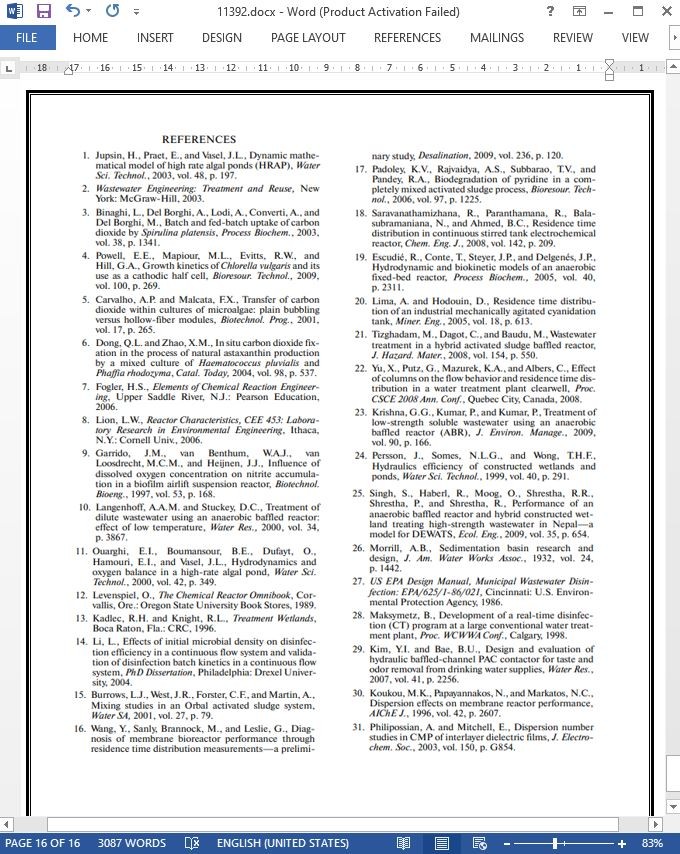
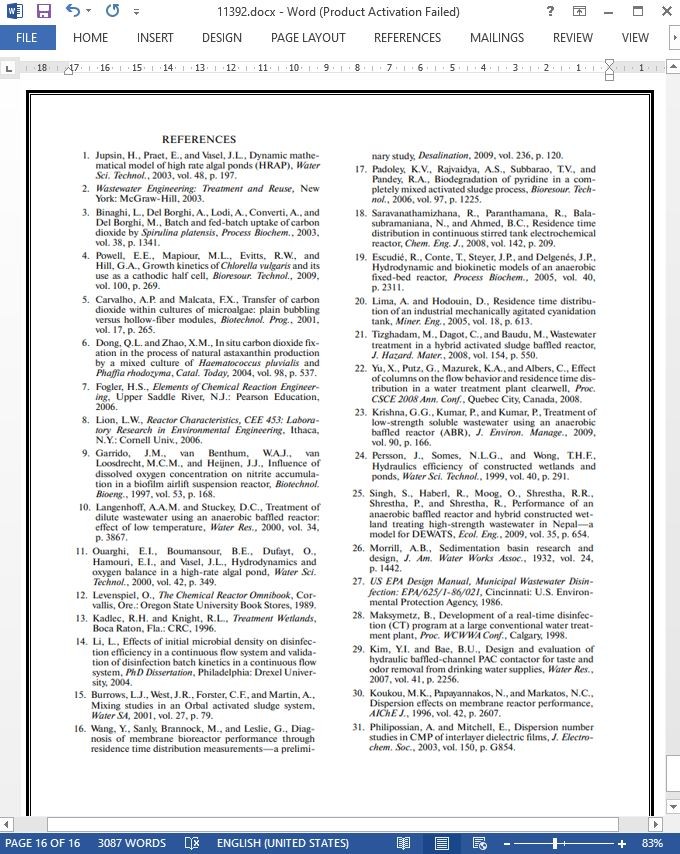
رفرنس در ترجمه
در انتهای مقاله درج شده است
رشته های مرتبط با این مقاله
مهندسی شیمی
گرایش های مرتبط با این مقاله
پتروشیمی
مجله
مبانی نظری مهندسی شیمی - Theoretical Foundations of Chemical Engineering
دانشگاه
گروه حفاظت از خاک و آب، دانشگاه ملی ChungHsing ، تایچونگ، تایوان
doi یا شناسه دیجیتال
https://doi.org/10.1134/S0040579513060122
۰.۰
(هنوز امتیازی ثبت نشده است)